
Wind & Storm Damage Roof Insurance Claims in Akron, OH for Akron commercial properties
Summer in northeast Ohio brings severe thunderstorm clusters and, in some years, a derecho-style line of straight-line wind that moves through the region fast and hits a wide swath of buildings at once. Fall adds another round of windstorms as cold fronts push through ahead of winter. Both patterns put sustained load and gust pressure on commercial roof perimeters and corners — the zones where uplift failure starts on almost every low-slope roof, regardless of membrane type.
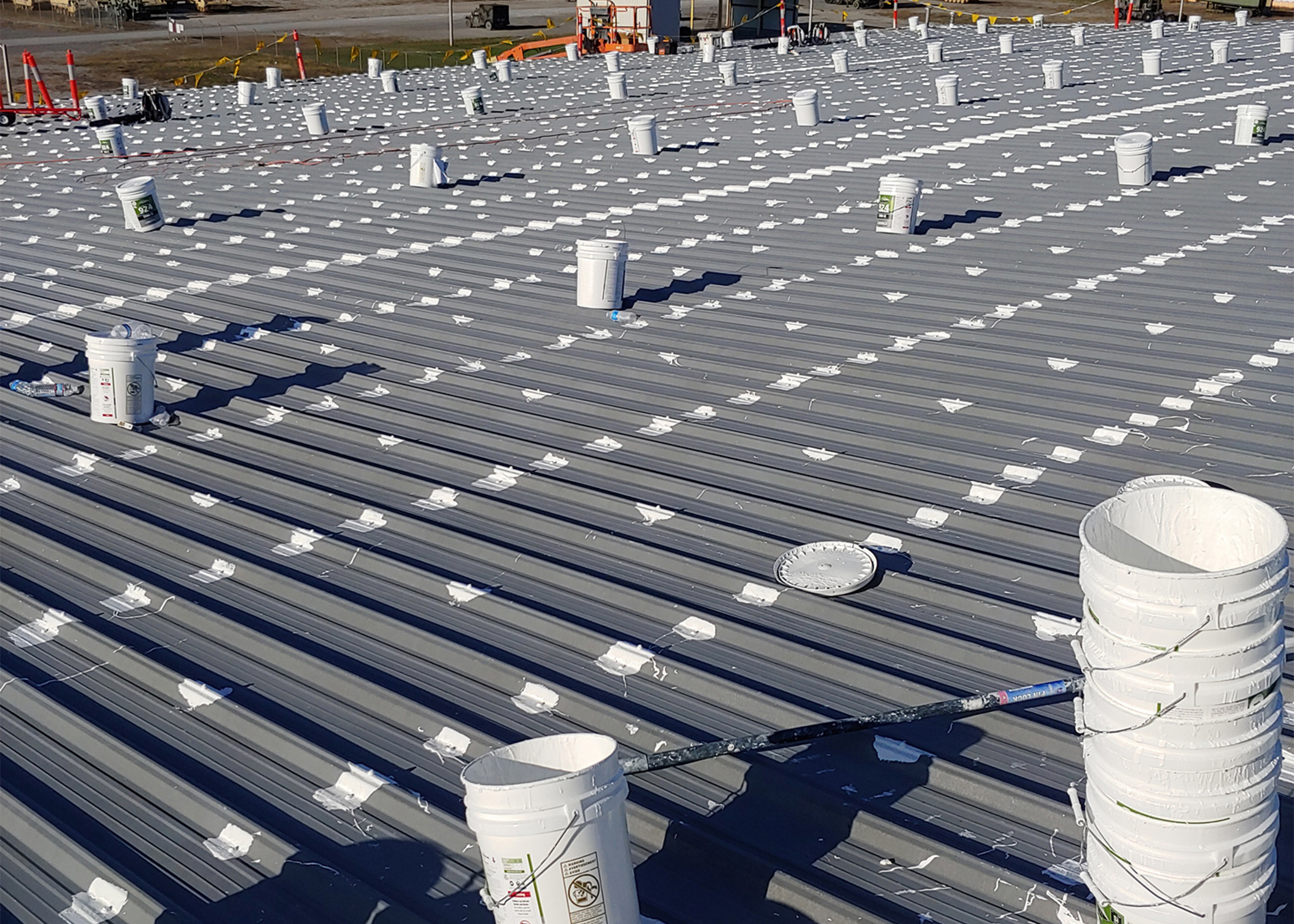
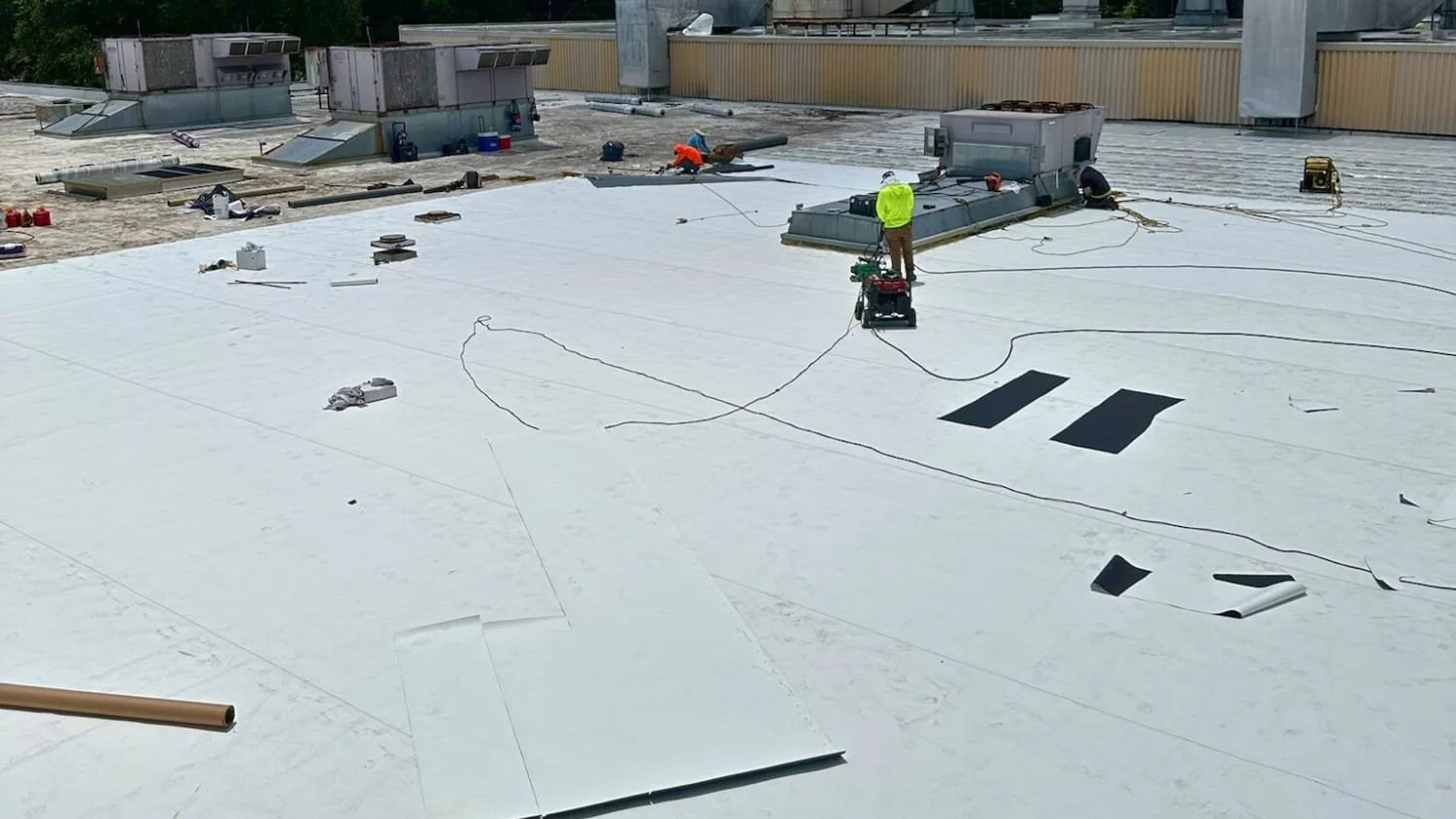
Wind damage on a commercial roof rarely looks dramatic from the ground. The signature failure pattern is edge-metal or coping detachment where fasteners have pulled loose under repeated gust cycling, membrane that has lifted or billowed at a seam or perimeter termination, and debris punctures where material carried by the wind struck the field membrane. Full membrane blow-off happens, but it's the exception rather than the rule — most wind-damage claims in this market involve perimeter and penetration-detail failures that require a roof-level inspection to identify accurately.
We inspect the full perimeter, all roof corners, and every penetration detail after a wind event, since these are the areas where fastener pull-out and membrane fatigue concentrate. Photographs document the specific failure points — a section of loose coping, a seam that has separated under uplift, fastener heads that have backed out of the deck — along with measurements of the affected linear footage. Where wind has opened the membrane to water intrusion, we also document interior damage and moisture readings, since water damage tied to a wind-caused breach is typically covered under the same claim as the roof damage itself.
When wind damage leaves a roof open to active water intrusion, our first priority is emergency dry-in — securing the roof to stop ongoing interior damage — rather than waiting for a full inspection to be scheduled. We document that emergency work with photographs and a description of what was done, since emergency mitigation costs are typically a covered part of a wind-damage claim and carriers expect to see that step documented alongside the permanent repair scope.
We're your roofing contractor, not a public adjuster — we document and substantiate the wind damage so you and your adjuster work from an accurate scope. When we meet the adjuster on the roof, we walk the documented perimeter and corner failures directly and make sure the code items a proper edge-metal or fastening repair requires are reflected in the scope alongside the visible surface damage.
How we keep Wind & Storm Damage Roof Insurance Claims in Akron, OH practical
Before pricing Wind & Storm Damage Roof Insurance Claims in Akron, OH, we confirm the roof areas involved, where water is moving, how crews can access the roof, and which assumptions could change the budget after closer inspection. That keeps the recommendation tied to the building instead of a broad square-foot number.
For Wind & Storm Damage Roof Insurance Claims in Akron, OH, we also separate immediate stabilization from long-term planning. Temporary dry-in, targeted repair, maintenance, coating, recover, and replacement can all be valid, but they should not be blended into one vague scope.
For Wind & Storm Damage Roof Insurance Claims in Akron, OH, the service scope separates the active roof condition from the owner's longer-term plan. A leak response visit may only need tracing, temporary protection, and a permanent repair area. A replacement discussion needs more: tear-off assumptions, insulation thickness, edge metal, deck condition, access, daily close-in, and how the building stays open while crews work.
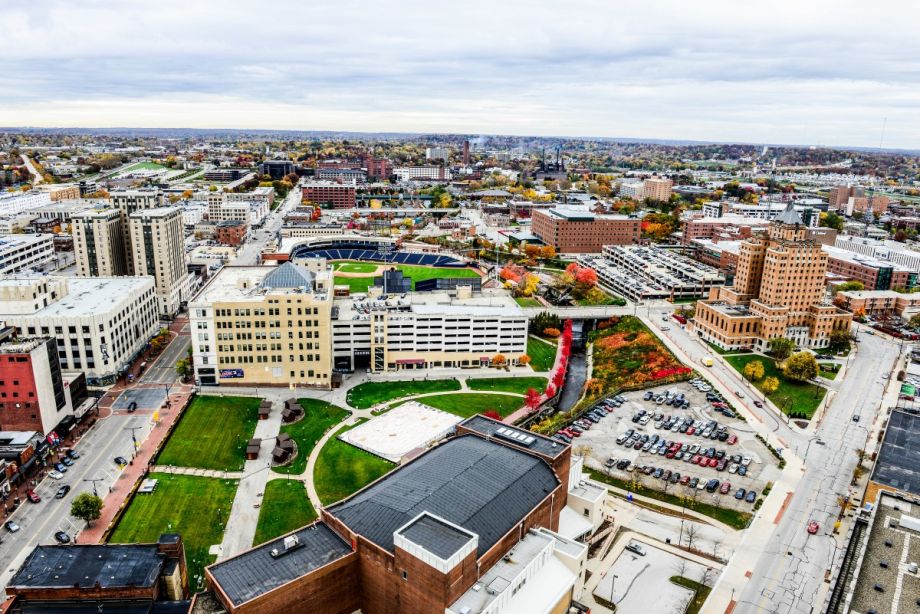
Access for Wind & Storm Damage Roof Insurance Claims in Akron, OH is reviewed early because it can change the whole project. Downtown Akron, medical campus buildings, university-area properties, retail centers, warehouses, and industrial facilities each create different rules for staging, lift use, parking, tenant notifications, safety zones, and after-hours work.
For Wind & Storm Damage Roof Insurance Claims in Akron, OH, weather is treated as a project constraint, not background information. Snow, freeze-thaw movement, hail, heavy rain, summer storms, and cold-weather close-in affect how much roof can be opened, how materials are stored, and when temporary protection has to be installed before the next work step.
For Wind & Storm Damage Roof Insurance Claims in Akron, OH, budget conversations stay more useful when the drivers are named. Wet insulation, deck repair, tapered insulation, drains, scuppers, coping, wall flashing, rooftop equipment, fall protection, material staging, disposal, and occupied-building sequencing can change cost and timing more than the roof label itself.
Field review for Wind & Storm Damage Roof Insurance Claims in Akron, OH has to respect what the roof is connected to. Rooftop units, condensate lines, exhaust fans, grease containment, skylights, tenant penetrations, parapet walls, expansion joints, and older repair patches can all change where water travels and where a permanent repair has to land.
For Wind & Storm Damage Roof Insurance Claims in Akron, OH, scheduling is part of the technical scope. A roof plan that ignores loading access, tenant entrances, parking, material deliveries, noise, odor, security, and business hours can look acceptable on paper while creating unnecessary disruption once crews arrive. We keep those constraints visible before the work starts.
The Wind & Storm Damage Roof Insurance Claims in Akron, OH roof record also calls out unknowns, because hidden moisture, concealed deck damage, blocked drains, and undocumented prior repairs can change the correct next step.
The Wind & Storm Damage Roof Insurance Claims in Akron, OH closeout record matters after the work is done. We keep notes, photo locations, access constraints, completed repair areas, and remaining risk items connected to the roof area so owners can use the file for follow-up maintenance, budget planning, tenant communication, procurement review, or the next capital cycle.
Questions Owners Ask
What does wind damage to a commercial membrane roof actually look like?
The most common patterns are edge-metal or coping detachment where fasteners have pulled loose, membrane that has lifted or billowed at a seam or perimeter attachment, and debris punctures from material blown onto the roof. Full membrane blow-off is less common but does happen on older mechanically-attached systems in a severe event.
How fast does wind have to be to cause a commercial roof insurance claim in Akron?
There's no fixed threshold — it depends heavily on the roof's age, attachment method, and existing wear at the perimeter and corners, which are the highest-stress zones under wind load. A roof with sound attachment can withstand a strong straight-line wind event with no damage, while an older roof with compromised fasteners can be affected by a comparatively modest gust.
Do you provide emergency tarp-down after a wind event, or just the claim documentation?
Both. If wind has opened the roof to water intrusion, our first priority is emergency dry-in to stop ongoing interior damage, and we document that emergency work as part of the claim record. The full inspection and repair-scope documentation follows once the roof is secured.
Will a derecho or straight-line wind event be treated differently than a tornado claim?
Both are typically covered as wind events under a commercial property policy, but a derecho's damage pattern tends to be more uniform across a wide area — useful corroborating evidence — while a tornado's damage is often highly localized. We document the damage pattern either way, which helps the adjuster understand the wind mechanism at work on your specific roof.
Can you help if wind damage on my roof was underpaid by the adjuster's first assessment?
Yes. We can produce a supplemental report addressing specific scope items the carrier's assessment missed — additional fastener pull-out locations, a wider uplift zone, or membrane fatigue adjacent to the visible damage — to support a reconsideration or appraisal request.