Edge Metal Coping and Gutters in Akron, OH for Akron commercial properties
Akron's January average snowfall of 13.4 inches and February average of 12.0 inches do not fall gently onto commercial gutters — they accumulate, consolidate, and then melt in thermal cycles that create freeze-thaw loading conditions that standard gutter and edge metal systems were not engineered to handle without maintenance. A commercial building on Kenmore Boulevard or along the Fairlawn-Bath corridor with a 60-foot gutter run will carry 200 to 400 pounds of consolidated snow in a typical January accumulation event. When that snow melts in sequence — warming during a 40°F afternoon and refreezing at night — the melt water that cannot drain because the outlet is frozen backs up into the gutter, adds to the ice mass, and begins to force under flashing terminations and into wall assemblies. Managing this sequence with properly designed and maintained edge metal, coping, and gutters is one of the most consequential winter roofing decisions for Summit County commercial properties.
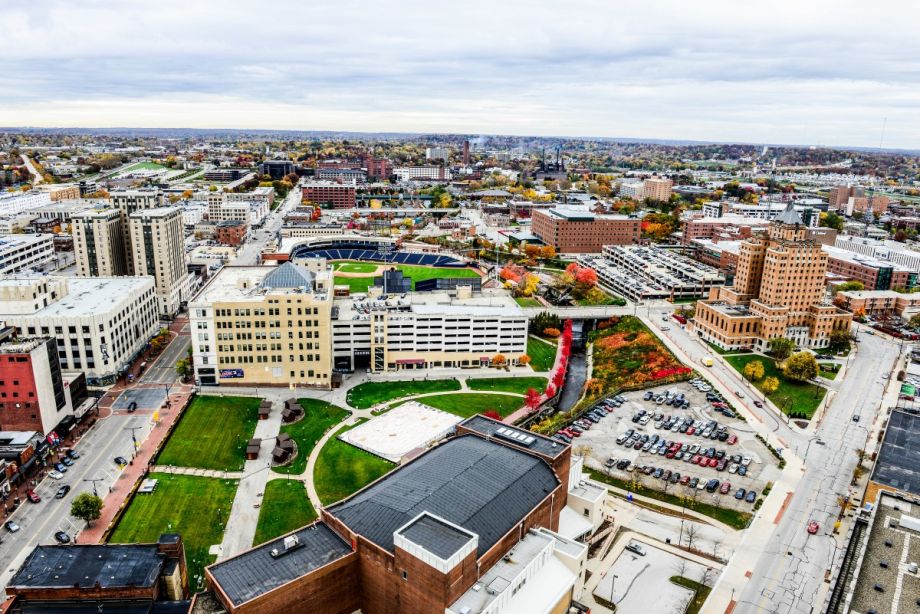
Downtown Akron's historic commercial inventory — Cascade Plaza, the Main-Market Historic District, and surrounding masonry commercial buildings — presents specific coping challenges. Many of these buildings have original cast stone or brick-over-masonry parapets with either embedded stone coping or formed sheet-metal coping that is now decades old. Freeze-thaw cycling is particularly destructive to these systems: water infiltrates coping joints, freezes, expands the joint slightly, and over multiple cycles cracks the sealant, loosens the coping units, and eventually opens gaps that allow water to migrate into the parapet wall assembly. We have restored historic masonry parapets in the Canal Park and Bowery District area using replacement coping profiles that match original dimensions while providing modern waterproofing performance, working within the City of Akron's historic preservation guidelines where applicable.
Akron Civic Theatre is among the most visible examples of a historic building where coping and parapet waterproofing intersects with preservation requirements. The 1929 theater's exterior masonry is part of the building's architectural identity, and any coping or flashing work on the parapet must be approached with awareness of the building's historic character. Commercial buildings in the adjacent Northside District and the renovated industrial spaces of the Bowery District have similar preservation dimensions — not all as strict as a listed historic landmark, but all requiring more careful material and detail selection than a suburban flex building on a concrete-block wall.
Heat tape (also called heat cable or roof deicing cable) is the ice dam prevention technology that bridges the gap between what good design can achieve and what Akron's winter actually produces. Properly sized and controlled heat tape installed in gutters, downspouts, and critical valley areas prevents the freeze-thaw ice dam formation that causes overflow backup and flashing infiltration. Modern heat tape systems use self-regulating cable that increases heat output as ambient temperature drops and decreases it as temperatures rise, eliminating the energy waste of constant-output systems and reducing the risk of overheating. We install heat tape as a component of gutter system upgrades, integrating the cable with GFCI-protected power circuits and temperature-controller switches that activate the system automatically when conditions warrant.
Commercial gutter sizing for Akron's precipitation profile requires attention to both the rain intensity standard and the snow load reality. Akron's design rain rate for gutter sizing purposes is approximately 4 inches per hour at the standard 5-minute duration event. But gutters that are correctly sized for rainfall can be overwhelmed by rapid snowmelt — a 2-inch overnight rain combined with a 6-inch snowpack melting over 12 hours creates a combined flow rate that exceeds rainfall-only sizing assumptions. We size commercial gutter systems using total watershed and combined precipitation loading, not rainfall-only tables, which is the standard for northeastern Ohio commercial work but is often missed by contractors whose design experience is in lower-precipitation markets.
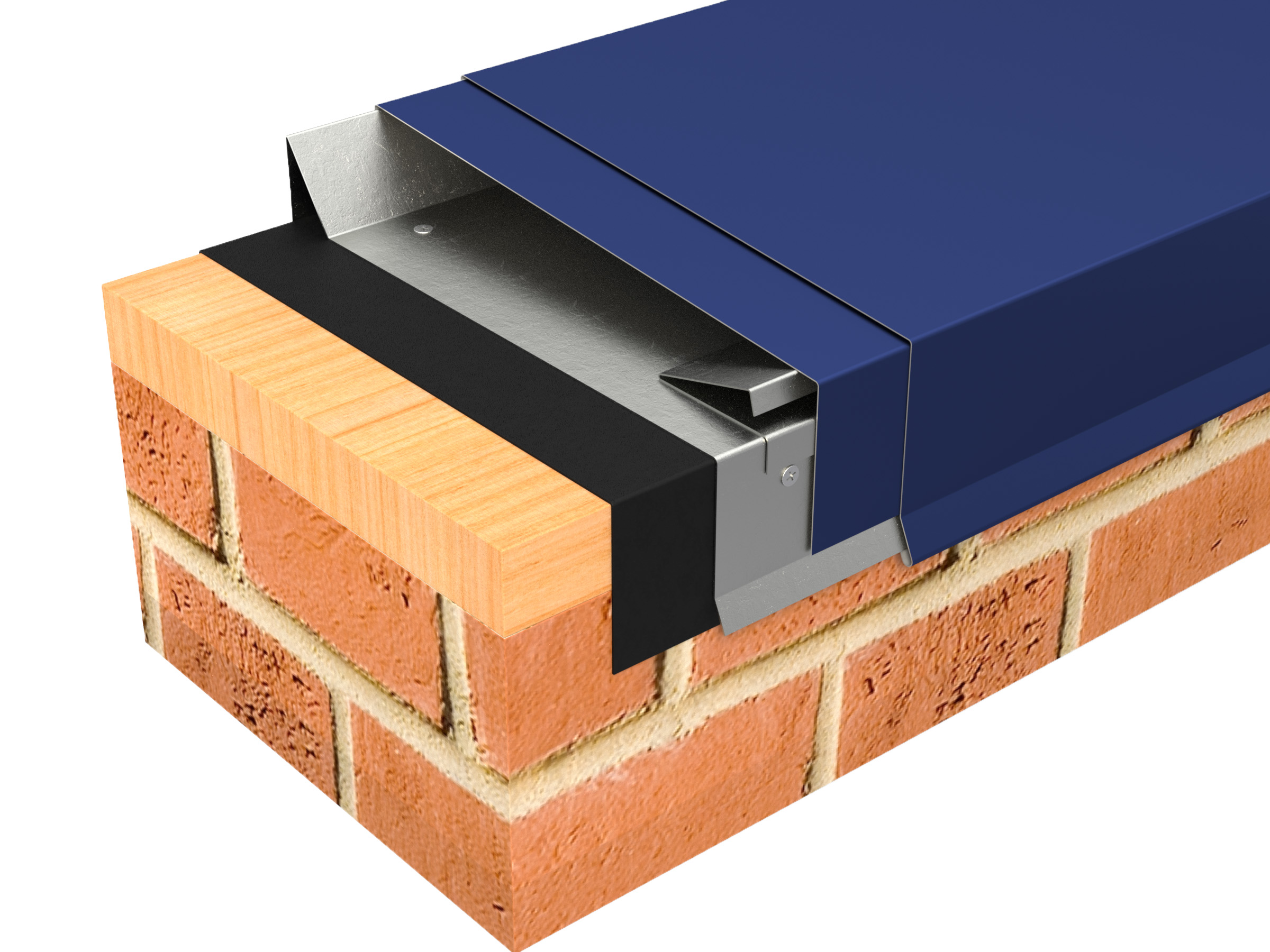
Edge metal details — drip edge, gravel stop, fascia systems — are the point where the roofing membrane terminates at the roof edge and hands off to the wall or gutter system. In Akron's climate, this detail is a primary failure point because it experiences the full thermal cycling range, direct UV exposure, and mechanical impact from ice formation and removal. ANSI/SPRI ES-1 edge metal testing standards specify wind-uplift resistance ratings; in northeast Ohio's wind exposure category, commercial edge metal should meet the appropriate withdrawal and seam-clip testing criteria for the building's specific height and exposure. We specify and install ES-1-compliant edge metal on all new roofing projects and upgrade edge metal as part of recovery projects where existing terminations are substandard.
Downspout placement and routing for Akron commercial buildings requires attention to ground conditions. Discharge points for commercial downspouts must either connect to storm drainage infrastructure or discharge at grade in locations where snowmelt and ice formation will not create slip hazards at building entries or block emergency access routes. Several Akron commercial districts — particularly in the older urban neighborhoods — have combined sewer systems where rooftop drainage connects to sanitary infrastructure, creating overflow issues during high-flow events that the city has been working to separate. We route downspout discharges in compliance with current Summit County stormwater regulations and coordinate with the applicable utility when sewer connections are involved.
Regular gutter maintenance is one of the most cost-effective roofing services we provide for Akron's commercial building inventory. Twice-annual cleanings — spring after leaf drop ends and fall before freeze-up — remove the organic debris, seed pods, and granule shedding from aging membranes that progressively reduce gutter flow capacity. A gutter system that drains freely in November will manage Akron's winter snowmelt significantly better than one carrying a debris accumulation that reduces effective capacity by 40%. We maintain maintenance agreements with commercial property owners throughout Summit County that include gutter cleaning as a scheduled service, with post-cleaning inspection of the gutter condition, outlet screens, and downspout connections.
Questions Owners Ask
Should I install heat tape in my commercial gutters?
Heat tape is worth considering for any Akron commercial building where gutter overflow or ice dam backup has caused interior damage or where downspout freeze-over has created ice hazards at entries. It is not necessary for every building — proper gutter sizing and slope, maintained drain screens, and regular fall cleanings handle most situations. The buildings where heat tape provides the greatest return are those with long north-facing gutter runs, limited slope, or downspouts that discharge in areas where ice accumulation is a liability or safety issue.
How long does commercial coping last on an Akron masonry building?
Metal coping on a well-maintained masonry parapet typically lasts 20–30 years before joint sealants fail and coping sections begin to lift or gap. Stone or cast coping can last much longer but requires periodic repointing of bed joints. The failure mode in Akron's climate is almost always sealant joint failure from freeze-thaw cycling, not coping metal corrosion or mechanical damage. Annual caulk inspection and proactive joint maintenance can extend coping service life significantly beyond the baseline.
What is the right gutter profile for a large commercial building in Akron?
Box gutters (internal box section concealed behind fascia) or large K-style aluminum gutters in 6-inch or larger sizes are standard for commercial applications in Akron's precipitation climate. Sizing is based on roof drainage area, the gutter's location (eave vs. valley), and the design rain rate. We do not recommend 4-inch multifamily-profile gutters for any commercial installation in northeast Ohio — they are undersized for both the rainfall and snowmelt loading this climate produces.
My historic downtown Akron building has original decorative cornice metal. Can it be preserved during a reroofing project?
Often yes — original cast or formed cornice metal is typically not part of the roofing system itself and can remain in place while the roof membrane above it is replaced. If the cornice metal is integrated with the base flashing or counter-flashing system, we carefully remove, preserve, and reinstall original elements where possible, fabricating replacement sections to match original profiles when the original material is beyond reuse. We document all historic metal conditions before and after work for property owner and preservation records.
Are commercial gutters covered under a roofing warranty?
Standard roofing manufacturer warranties (NDL warranties on single-ply systems, for example) cover the field membrane and flashings but do not typically extend to gutters, downspouts, or edge metal. We provide a separate workmanship warranty on gutter and edge metal installation. Material warranties from gutter manufacturers are separate and depend on the specific product. We document all warranty coverage clearly in our project contracts so building owners understand what each component's coverage is.