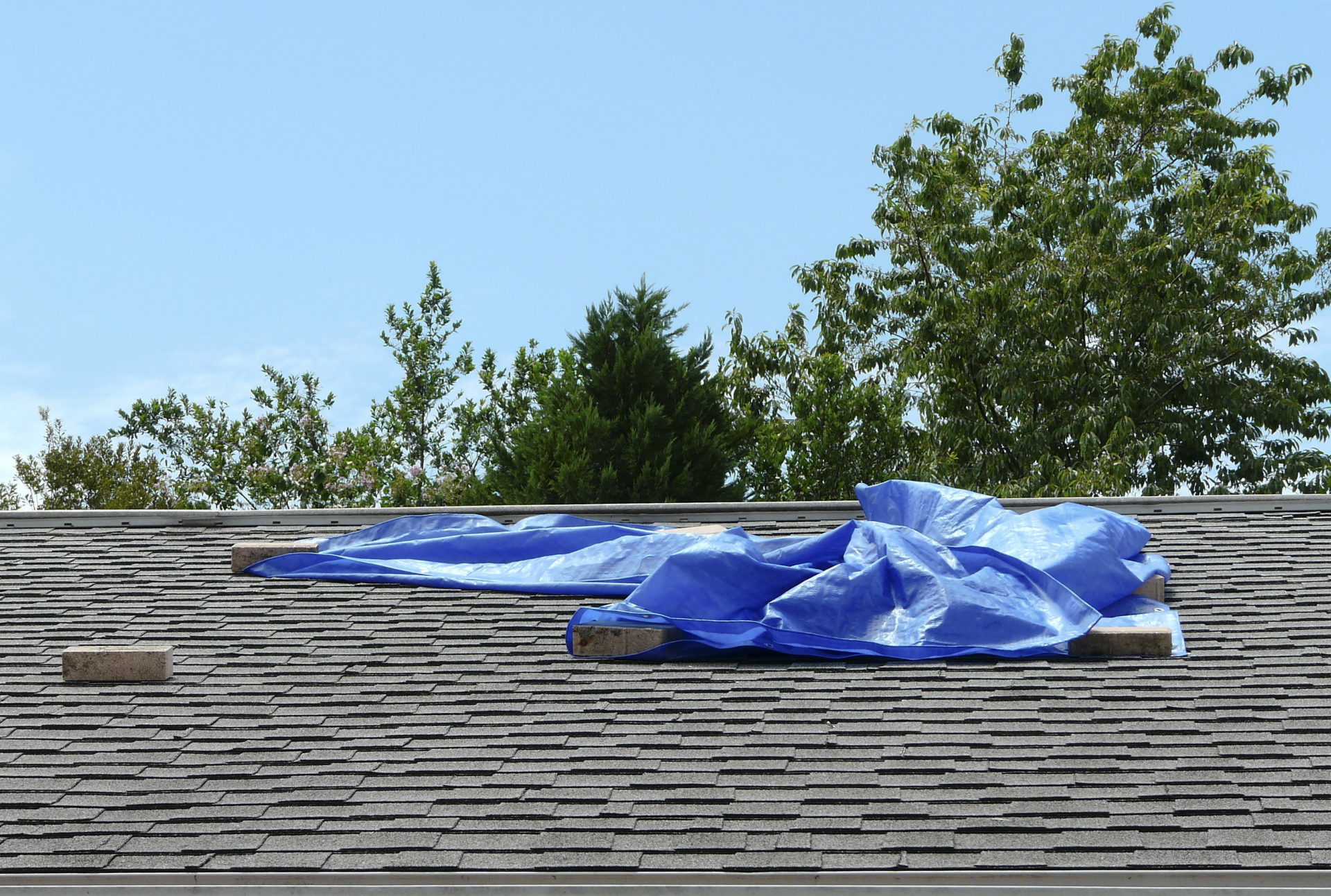
The roof is leaking
Get the water under control, trace the source, and protect the building before damage spreads.
Active leak, aging flat roof, or major project ahead? Call for repairs, inspections, coatings, maintenance, and commercial roof replacement across Greater Akron.
Tell us what changed. A leak, storm, failed repair, old membrane, or upcoming budget review is enough to start. We will inspect the roof and give you a clear next move.
We handle the urgent work, inspect the rest of the roof, and help you decide what is worth repairing, restoring, or replacing.
Call For Roof Help→Get the water under control, trace the source, and protect the building before damage spreads.
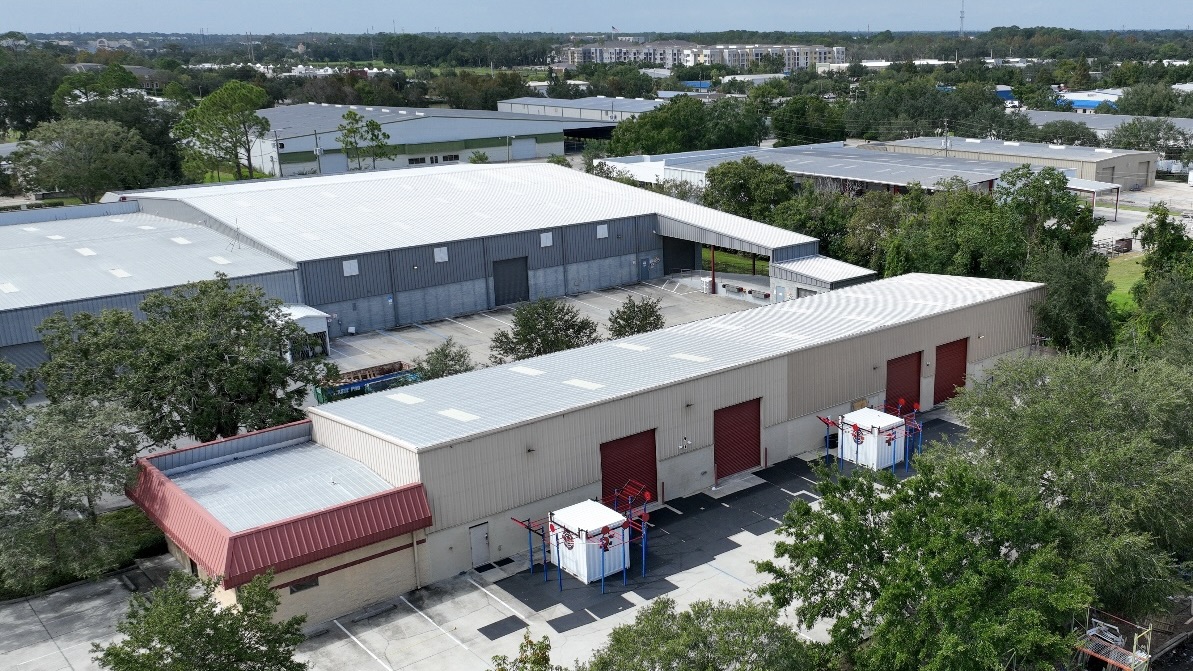
Get a flat roof inspection with photos, findings, and an honest repair or replacement recommendation.
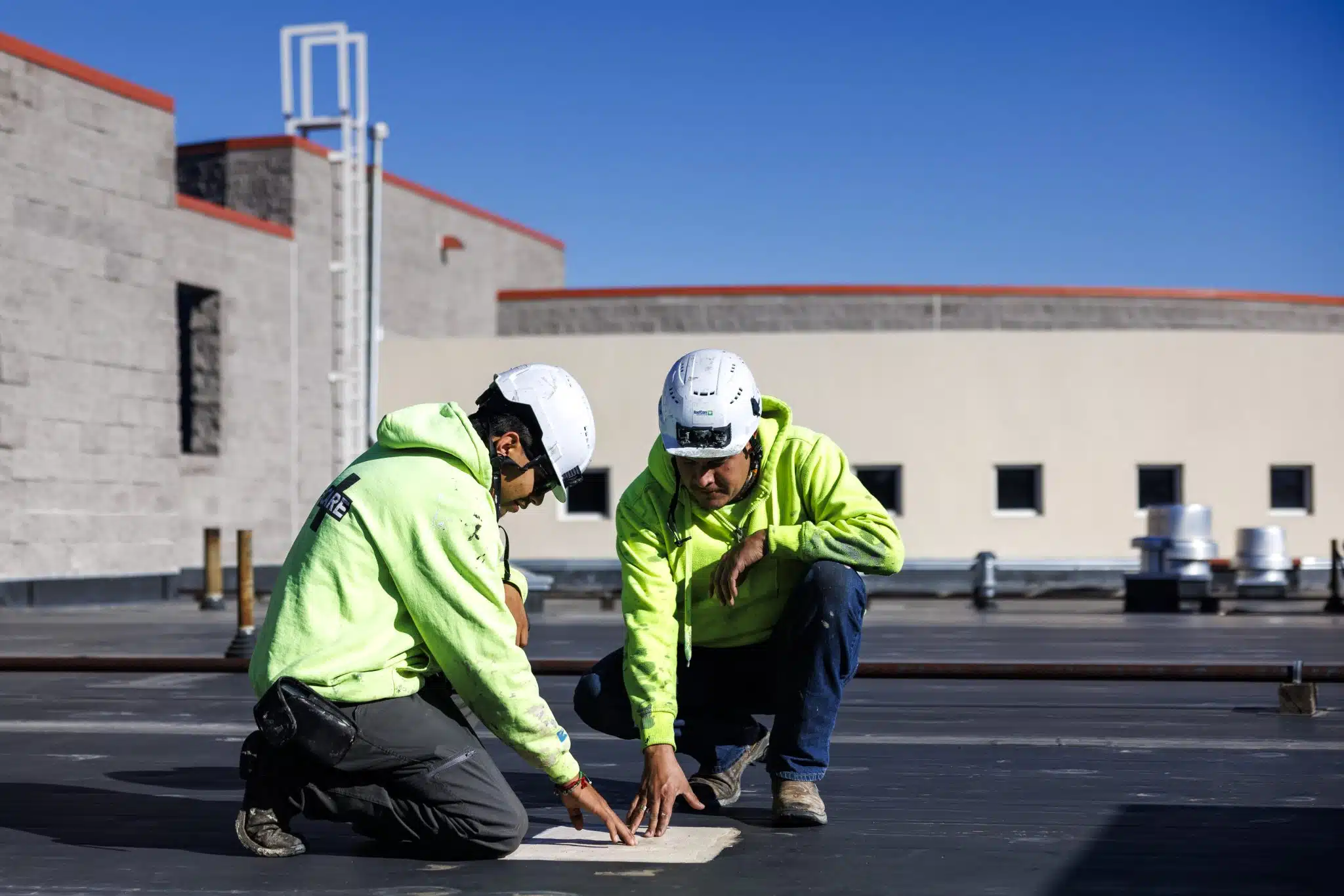
Compare a service agreement, coating, recover, and full replacement before spending again.
Emergency service gets us on the roof. Inspections, maintenance, coatings, and replacement keep your building moving after the leak is gone.
Fast help for active leaks, storm openings, failed flashing, and drainage backups.
Photos and plain-English findings for owners who need to know what the roof is doing.
Scheduled visits that catch open seams, clogged drains, and small failures early.
Restore a qualifying roof and extend service life without paying for a full tear-off too soon.
Replace the roof with the right membrane, insulation, drainage, and staging plan.
Get a useful roof record for budgets, purchases, lenders, and capital decisions.
Stabilize the roof and document what wind, hail, snow, or ice changed.
Compare TPO, EPDM, PVC, modified bitumen, coatings, and metal for your building.
The right answer depends on moisture, attachment, drainage, membrane condition, and remaining roof life. We inspect first so the next dollar goes to the right scope.
We check the membrane, seams, curbs, edge metal, drains, previous repairs, and interior leak clues before recommending work.
Water can travel far from the entry point. We trace the path and repair the detail that actually failed.
Routine inspections and minor repairs reduce surprise calls and give ownership a clean record of roof condition.
System choice, insulation, drainage, access, and occupied-building staging belong in the replacement scope before bids arrive.
Call us before the leak, repair, coating, or replacement decision gets more expensive.
If the failure is isolated and the assembly is still sound, a targeted repair may be the smartest use of money.
If the roof is dry, stable, and compatible, restoration can extend its life and delay replacement.
When moisture is widespread or failures keep multiplying, we will say so and help scope the project correctly.
For an active leak, call now. For inspections, service agreements, coatings, or replacement, send the building details and timing.
Call 330-693-9162→