
Snow & Ice Roof Damage Insurance Claims in Akron, OH for Akron commercial properties
Akron sits far enough east of Lake Erie that the city doesn't take the direct brunt of lake-effect snow the way communities closer to the lakeshore do, but the fringe effect still adds meaningful snow accumulation on top of the systemic winter storms that move through Summit County every year. January and February typically bring the combination that causes the most commercial roof claims in this market: heavy accumulation followed by a partial thaw, then a refreeze that sets up ice damming at parapets, drains, and low-slope transitions.
Snow-load damage on a flat or low-slope commercial roof shows up as membrane stress at drains and low points, visible deflection in the roof deck or structural framing on older buildings, and occasionally interior signs like sagging ceiling tiles or stress cracks in drywall below the roof line. Ice dams form differently: meltwater from a partially thawed snow layer refreezes at a parapet, curb, or drain and backs up behind that ice ridge, forcing water under the membrane or flashing at a point it was never designed to enter. Both mechanisms produce leaks, but the documentation each requires is different, and a claim needs to identify which one actually occurred.
Freeze-thaw cycling is a fact of life for every flat roof in Summit County, and gradual freeze-thaw wear that accumulates over multiple winters is generally treated by carriers as maintenance rather than a single covered loss. A legitimate snow or ice claim needs to point to a specific event — an unusually heavy accumulation, a documented rapid thaw-refreeze cycle, or a structural strain event — rather than the general wear every roof in this climate experiences. We document the specific weather pattern involved and correlate it to the damage we find, so the claim reflects an actual event rather than cumulative seasonal stress.
Our winter inspections include drain and low-point photography, ice-dam location mapping at parapets and curbs, membrane condition at flashing details prone to ice-related stress, and interior moisture readings where a leak has already reached occupied space. Where active water intrusion is occurring during a storm, our first step is winter dry-in to stop the damage, documented as part of the claim record before the full assessment follows once conditions are safe for a complete inspection.
We're your roofing contractor, not a public adjuster — we document and substantiate the snow or ice damage so you and your adjuster work from an accurate scope. When we meet the adjuster on the roof, we walk through the ice-dam locations, drain conditions, and any structural concerns directly, and make sure a proper repair scope — a full fix rather than a surface patch — is reflected in the claim.
How we keep Snow & Ice Roof Damage Insurance Claims in Akron, OH practical
Before pricing Snow & Ice Roof Damage Insurance Claims in Akron, OH, we confirm the roof areas involved, where water is moving, how crews can access the roof, and which assumptions could change the budget after closer inspection. That keeps the recommendation tied to the building instead of a broad square-foot number.
For Snow & Ice Roof Damage Insurance Claims in Akron, OH, we also separate immediate stabilization from long-term planning. Temporary dry-in, targeted repair, maintenance, coating, recover, and replacement can all be valid, but they should not be blended into one vague scope.
For Snow & Ice Roof Damage Insurance Claims in Akron, OH, the service scope separates the active roof condition from the owner's longer-term plan. A leak response visit may only need tracing, temporary protection, and a permanent repair area. A replacement discussion needs more: tear-off assumptions, insulation thickness, edge metal, deck condition, access, daily close-in, and how the building stays open while crews work.
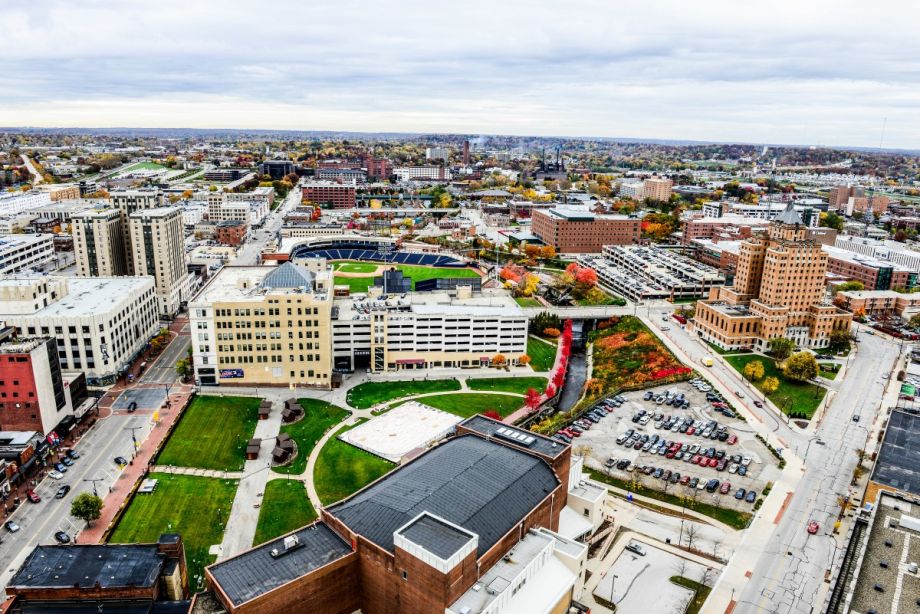
Access for Snow & Ice Roof Damage Insurance Claims in Akron, OH is reviewed early because it can change the whole project. Downtown Akron, medical campus buildings, university-area properties, retail centers, warehouses, and industrial facilities each create different rules for staging, lift use, parking, tenant notifications, safety zones, and after-hours work.
For Snow & Ice Roof Damage Insurance Claims in Akron, OH, weather is treated as a project constraint, not background information. Snow, freeze-thaw movement, hail, heavy rain, summer storms, and cold-weather close-in affect how much roof can be opened, how materials are stored, and when temporary protection has to be installed before the next work step.
For Snow & Ice Roof Damage Insurance Claims in Akron, OH, budget conversations stay more useful when the drivers are named. Wet insulation, deck repair, tapered insulation, drains, scuppers, coping, wall flashing, rooftop equipment, fall protection, material staging, disposal, and occupied-building sequencing can change cost and timing more than the roof label itself.
Field review for Snow & Ice Roof Damage Insurance Claims in Akron, OH has to respect what the roof is connected to. Rooftop units, condensate lines, exhaust fans, grease containment, skylights, tenant penetrations, parapet walls, expansion joints, and older repair patches can all change where water travels and where a permanent repair has to land.
For Snow & Ice Roof Damage Insurance Claims in Akron, OH, scheduling is part of the technical scope. A roof plan that ignores loading access, tenant entrances, parking, material deliveries, noise, odor, security, and business hours can look acceptable on paper while creating unnecessary disruption once crews arrive. We keep those constraints visible before the work starts.
The Snow & Ice Roof Damage Insurance Claims in Akron, OH roof record also calls out unknowns, because hidden moisture, concealed deck damage, blocked drains, and undocumented prior repairs can change the correct next step.
The Snow & Ice Roof Damage Insurance Claims in Akron, OH closeout record matters after the work is done. We keep notes, photo locations, access constraints, completed repair areas, and remaining risk items connected to the roof area so owners can use the file for follow-up maintenance, budget planning, tenant communication, procurement review, or the next capital cycle.
Questions Owners Ask
Does insurance cover ice dam damage on a commercial roof?
It depends on the cause. Ice dam backup that results from a sudden, unusual snow-and-thaw event is often covered as a weather-related loss, while chronic ice damming caused by a long-standing insulation or drainage deficiency may be treated as a maintenance issue rather than a covered event. Documentation of the specific weather pattern and the drainage condition helps distinguish the two.
How do you document snow-load damage on a flat commercial roof?
We inspect the structure and membrane for signs of deflection, ponding after snowmelt, membrane stress at drains and low points, and any structural members showing visible strain. Where interior signs of stress appear — sagging ceiling tiles, cracked drywall seams below the roof deck — we document those alongside the roof-level findings, since interior evidence often corroborates a snow-load event.
What's the difference between an ice dam claim and a general winter leak claim?
An ice dam claim points to a specific mechanism: meltwater backing up behind a ridge of ice and forcing its way under the membrane or flashing. A general winter leak claim may stem from a membrane seam that failed under freeze-thaw stress, unrelated to ice damming specifically. We document which mechanism actually produced the leak, since that distinction matters to how the carrier evaluates the claim.
Can freeze-thaw cycling damage be included in a snow or ice insurance claim?
Freeze-thaw cycling that accumulates gradually over multiple winters is generally treated as wear rather than a single covered event, but damage that clearly results from one specific severe freeze-thaw episode tied to a documented weather event can sometimes be included. We document the distinction carefully so the claim reflects what the evidence actually supports.
Do you provide emergency response if a roof is actively leaking during a winter storm?
Yes. Winter dry-in and emergency leak response are available to stop active water intrusion, and we document that emergency work as part of the claim record. The full damage assessment and repair scope follow once conditions allow a safe, complete roof inspection.