
Retail and Shopping Center Roofing in Akron, OH for Akron commercial properties
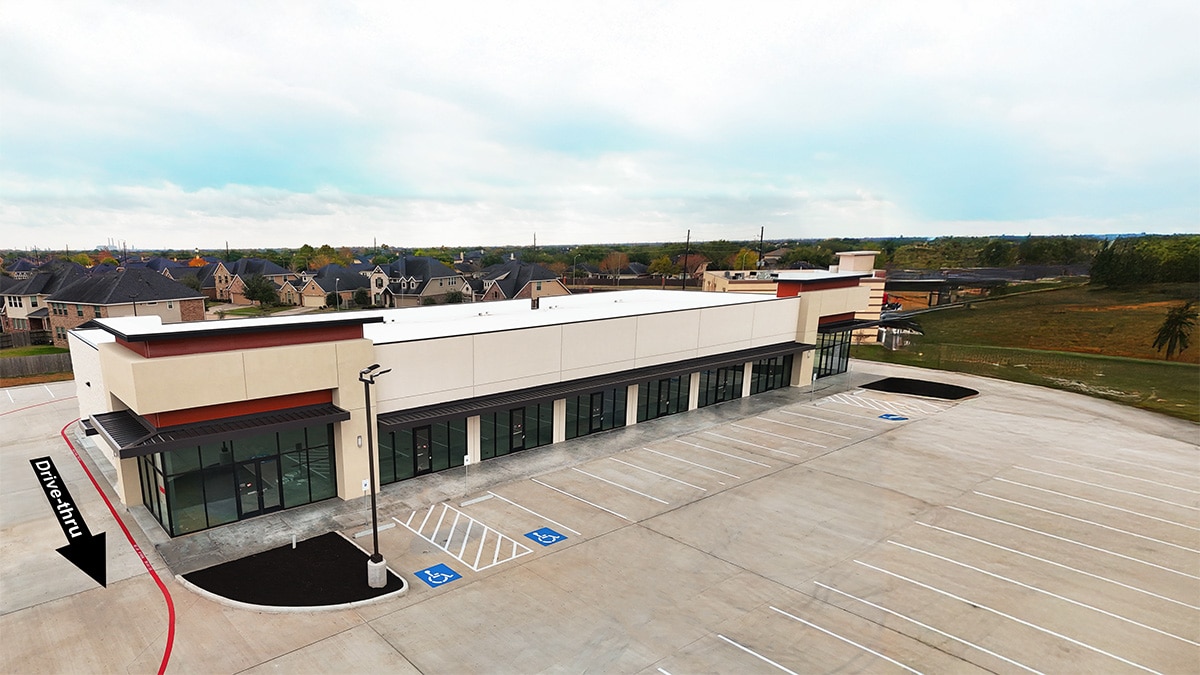
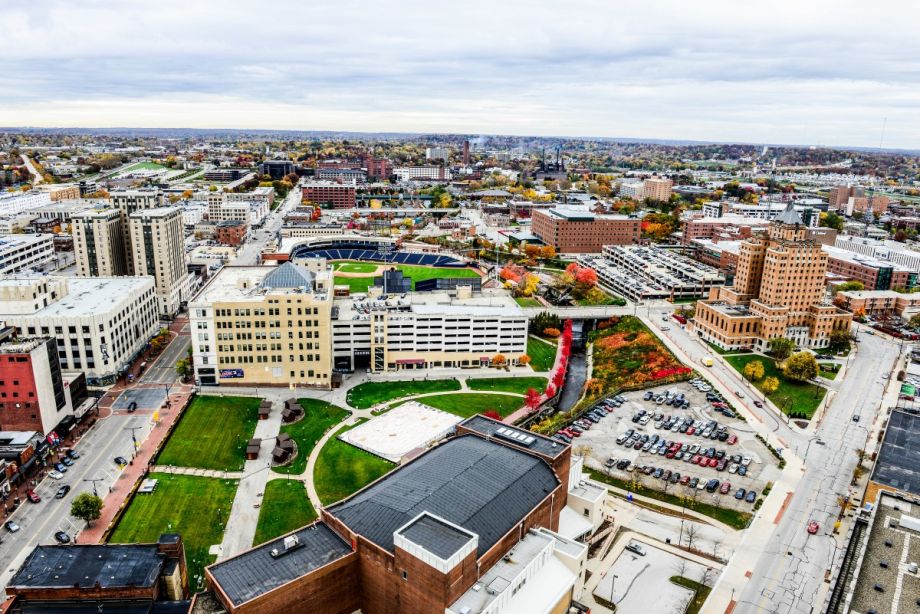
Akron's retail landscape stretches from the dense strip mall corridors along South Arlington Street to the sprawling power centers off Brittain Road near the Montrose area, and every one of those buildings carries a roof that takes a serious beating from Northeast Ohio's freeze-thaw cycles. Property managers overseeing multi-tenant retail in Akron know that a single winter storm can expose membrane seams weakened by the previous summer's heat, and the consequences land squarely in the common area maintenance ledger that tenants scrutinize every year. Commercial roofing in this market isn't just a maintenance task — it's a financial exposure that shapes lease renewals and occupancy rates across Summit County's retail corridors.
The retail centers clustered around the Akron-Canton boundary on Whipple Avenue represent some of the highest-traffic commercial roofing work in the region. Big-box anchors like those found in Montrose Marketplace set roofing specifications that flow down to outparcels and inline tenants through corporate brand standards, meaning a property manager can't simply pick the cheapest contractor and move on. National retail chains operating stores in Akron often require TPO or PVC membranes with specific mil thicknesses and warranty coverage from manufacturers they've pre-approved, and local contractors need to be certified installers to bid on that work. Understanding those chain-specific requirements is a baseline expectation for any commercial roofer serving Akron's retail sector.
Flat roof drainage presents a specific engineering challenge on Akron retail properties because the Cuyahoga Valley weather pattern regularly delivers heavy spring rain events that test scupper and drain sizing calculations. Strip malls along East Market Street and the retail nodes near Highland Square often have original drainage systems designed to older codes, and re-roofing projects are the ideal moment to upgrade internal drains and tapered insulation to eliminate ponding. Standing water on a flat retail roof accelerates membrane degradation faster than almost any other factor, and it creates the kind of slow-leak scenarios that damage tenant inventory and trigger liability disputes that no landlord wants to manage through an attorney.
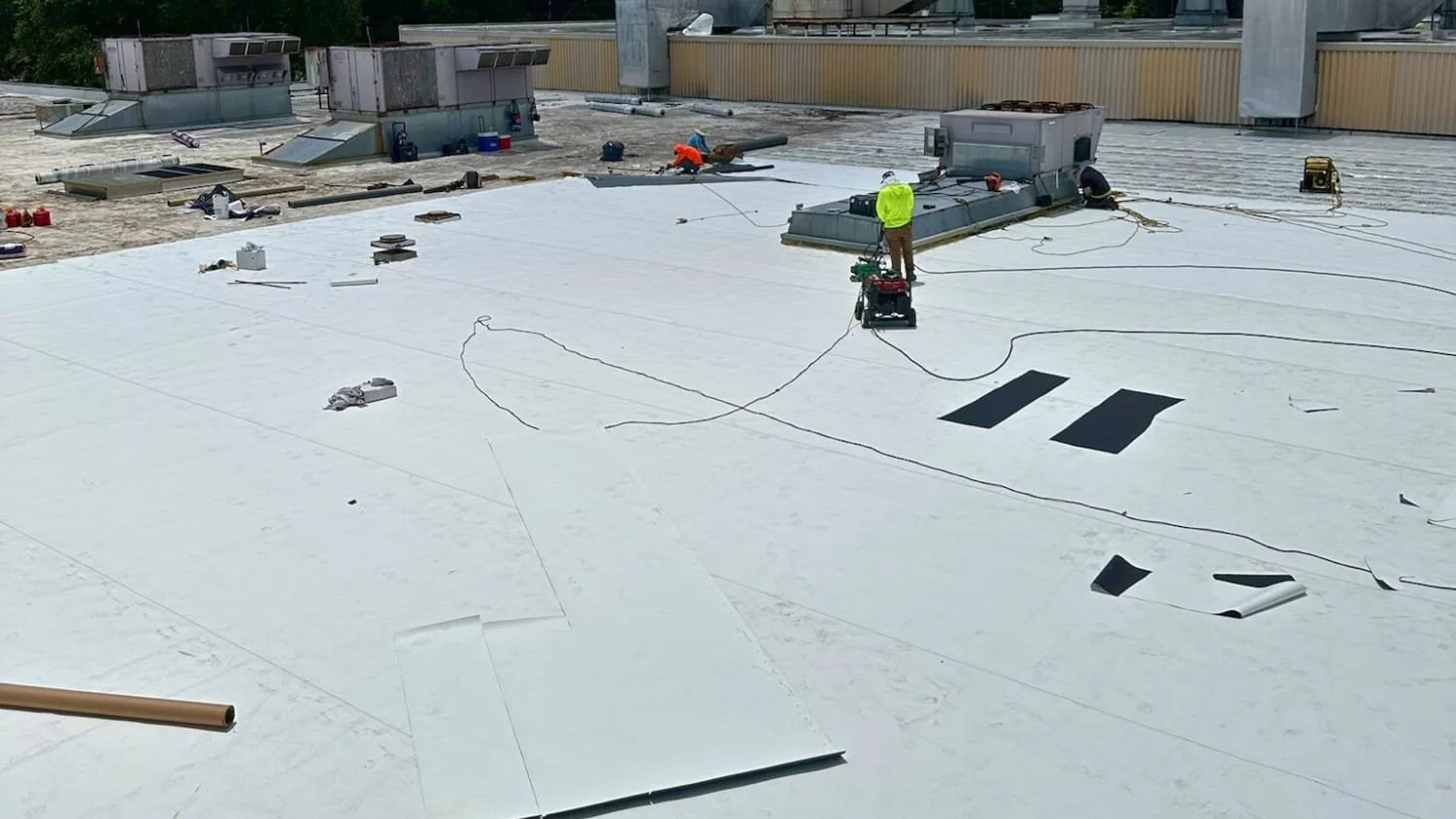
HVAC unit penetrations are the single largest source of roofing failures on Akron's older strip malls. The retail buildings along North Main Street and the corridors near the University of Akron's commercial edge frequently have roofs that were penetrated multiple times as tenants turned over and installed new mechanical equipment without coordinating properly with the building owner. Each curb flashing, each conduit penetration, and each unit replacement that wasn't properly waterproofed represents a future leak waiting to happen. A thorough commercial roofer will document every penetration before beginning a re-roof, bring all flashings up to current standards, and provide the property manager with a penetration log that serves as the baseline for future tenant improvement work.
Energy costs for retail buildings in Akron have pushed more property owners toward TPO and PVC reflective membranes over the past decade. The white and light-gray surfaces that characterize these systems meaningfully reduce rooftop temperatures during the humid Ohio summers, lowering cooling loads for the HVAC units that anchor stores and inline tenants rely on to keep shoppers comfortable. For a 60,000-square-foot strip center, the energy savings from switching off a dark modified bitumen roof to a 60-mil TPO membrane can offset a meaningful portion of the re-roofing cost over a five-to-seven-year horizon, and that math resonates with the institutional property owners managing portfolios across Summit County.
Tenant disruption during roofing work is a genuine concern for Akron retail property managers because the city's retail market is competitive enough that tenants have options. A nail gun running over a jewelry store during the Saturday rush or a roofer's torch work cutting off HVAC access to a restaurant mid-service are the kinds of incidents that generate tense phone calls from tenants and, in the worst cases, lease termination discussions. Experienced commercial roofers in the Akron market phase their work section by section, coordinate schedules directly with tenant managers, and establish clear communication protocols so that nobody is surprised by noise, odor, or access disruption during operating hours.
The CAM budget cycle in Akron's multi-tenant retail properties means that roofing decisions made today will be reconciled against tenant ledgers for the next twelve months. Property managers at centers like those along West Market Street need documentation showing that roofing expenditures were necessary, competitively bid, and performed by qualified contractors, because tenants with experienced real estate counsel will challenge CAM charges they view as inflated or poorly supported. A detailed scope of work, manufacturer documentation, and a post-installation inspection report are not optional paperwork — they are the evidentiary record that protects the landlord during CAM reconciliation season.
Roof leak liability in Akron retail properties has a way of cascading quickly. A leak that originates above a national restaurant chain tenant, damages equipment, and forces a brief closure creates a chain of losses — tenant's business interruption claim, equipment repair costs, and potential lease offset demands — that can dwarf the original roofing repair cost many times over. Ohio courts have generally held that commercial landlords have a duty to maintain the building envelope in a condition that doesn't interfere with tenant operations, and documented deferred maintenance is not a defense. Proactive inspection schedules, written condition reports after every significant storm, and prompt response to reported issues are the practices that keep Akron retail landlords out of litigation.
For retail property owners and managers across Summit County, selecting a commercial roofing contractor should start with verifiable local experience on retail-specific projects, manufacturer certification for the membrane systems being specified, and a clear understanding of how work will be phased to protect tenant operations. Akron's mix of legacy strip malls, regional power centers, and standalone big-box buildings means that no two roofing projects are exactly alike, and the contractor who treats them all the same way is a liability waiting to materialize.
- What roofing membrane is best suited for Akron's climate?
- TPO and PVC single-ply membranes perform well in Akron's freeze-thaw climate because they remain flexible at low temperatures and resist the UV degradation that breaks down older modified bitumen systems. A 60-mil membrane with tapered insulation to address drainage is the most common specification for retail re-roofing projects in Summit County. Manufacturer warranties in the 20-year range are available from major suppliers when the work is installed by a certified contractor.
- How do we minimize tenant disruption during a strip mall re-roof?
- The most effective approach is phased scheduling that works one roof section at a time, coordinating with each tenant's operating hours before beginning work over their space. Advance written notice to tenants at least two weeks before work begins, combined with direct contact with tenant managers on the days adjacent to their section, reduces complaints significantly. Work over food service tenants should be scheduled during non-operating hours whenever the project timeline allows.
- Who is responsible for roof penetrations made by tenants installing HVAC equipment?
- Lease language typically requires tenants to obtain landlord approval before making any roof penetrations and to use the landlord's designated contractor or a pre-approved installer. In practice, many older Akron retail leases have weak enforcement language, leaving landlords with poorly flashed penetrations that are technically the tenant's liability but practically the landlord's problem to fix. Strengthening rooftop work approval requirements in new leases and lease renewals is one of the most effective ways to protect the building envelope long-term.
- How should retail roof replacement costs be handled in CAM budgets?
- Most commercial leases distinguish between capital replacement and routine maintenance, with full roof replacements often excluded from CAM recovery or amortized over the useful life of the new roof. Property managers should review lease language carefully before attempting to pass through replacement costs, because misclassifying a capital project as maintenance expense is a common basis for CAM audit disputes. Working with a CPA familiar with Ohio commercial leasing practices helps structure cost recovery in a way that holds up to tenant scrutiny.
- What causes the most retail roof failures in the Akron area?
- Deferred maintenance on HVAC curb flashings and internal drains is the leading cause of retail roof failures in Northeast Ohio, followed by membrane punctures from foot traffic during equipment servicing that goes unreported to building management. Akron's significant temperature swings between summer and winter accelerate seam stress on aging membranes, particularly on roofs installed before current mil-thickness standards. Annual inspections with written documentation of all penetrations and seam conditions catch the vast majority of these issues before they become interior damage events.