
Healthcare Facility Roofing in Akron, OH for Akron commercial properties
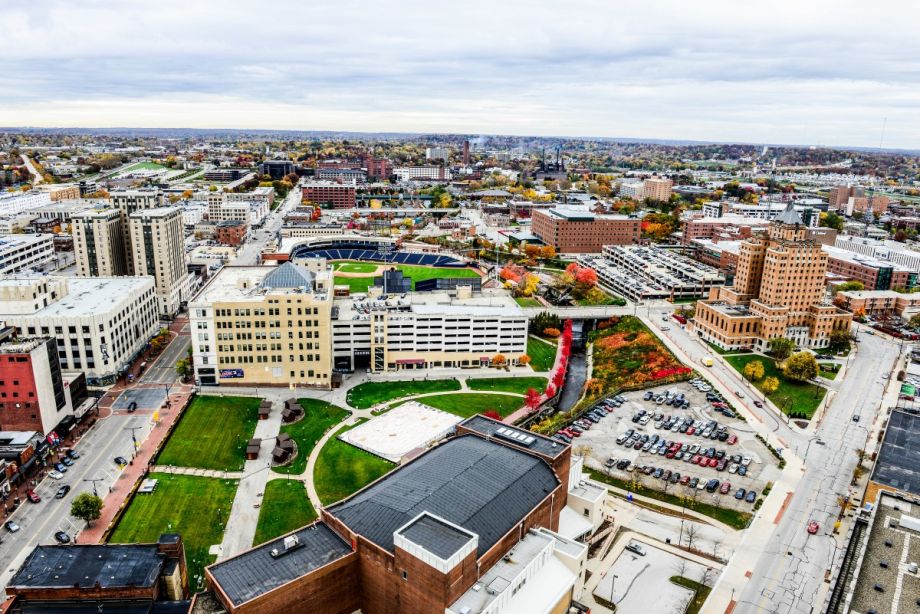
Summa Health System, with its flagship Summa Akron City Hospital and a network of medical office buildings and outpatient facilities across Summit County, operates healthcare facilities that cannot be treated as conventional commercial buildings when roofing projects are planned. Medical facilities in Akron—whether a full-service acute care hospital or a multi-specialty outpatient building—are continuously occupied 24 hours a day, 365 days a year, and the populations within them are among the most vulnerable to environmental disruption, noise, vibration, dust, and chemical odors that standard commercial roofing projects routinely generate. Roofing work on healthcare facilities in Northeast Ohio requires a contractor who understands these constraints at a fundamental level, not as an afterthought.
Infection control is the most operationally critical consideration for any roofing project on an occupied Akron healthcare facility. The Infection Control Risk Assessment (ICRA) process, required by the Joint Commission as part of any construction or renovation activity in or adjacent to patient care areas, must be completed before roofing work begins—not during it. The ICRA team, which includes infection control nursing staff, facilities management, and the contractor's project manager, evaluates the specific pathways by which roofing activities could introduce airborne fungal spores, dust, or particulates into patient care environments. For immunocompromised patients, particularly oncology and transplant populations common to Summa's tertiary care services, Aspergillus and other fungal pathogens introduced through HVAC infiltration or open roof penetrations can be life-threatening.
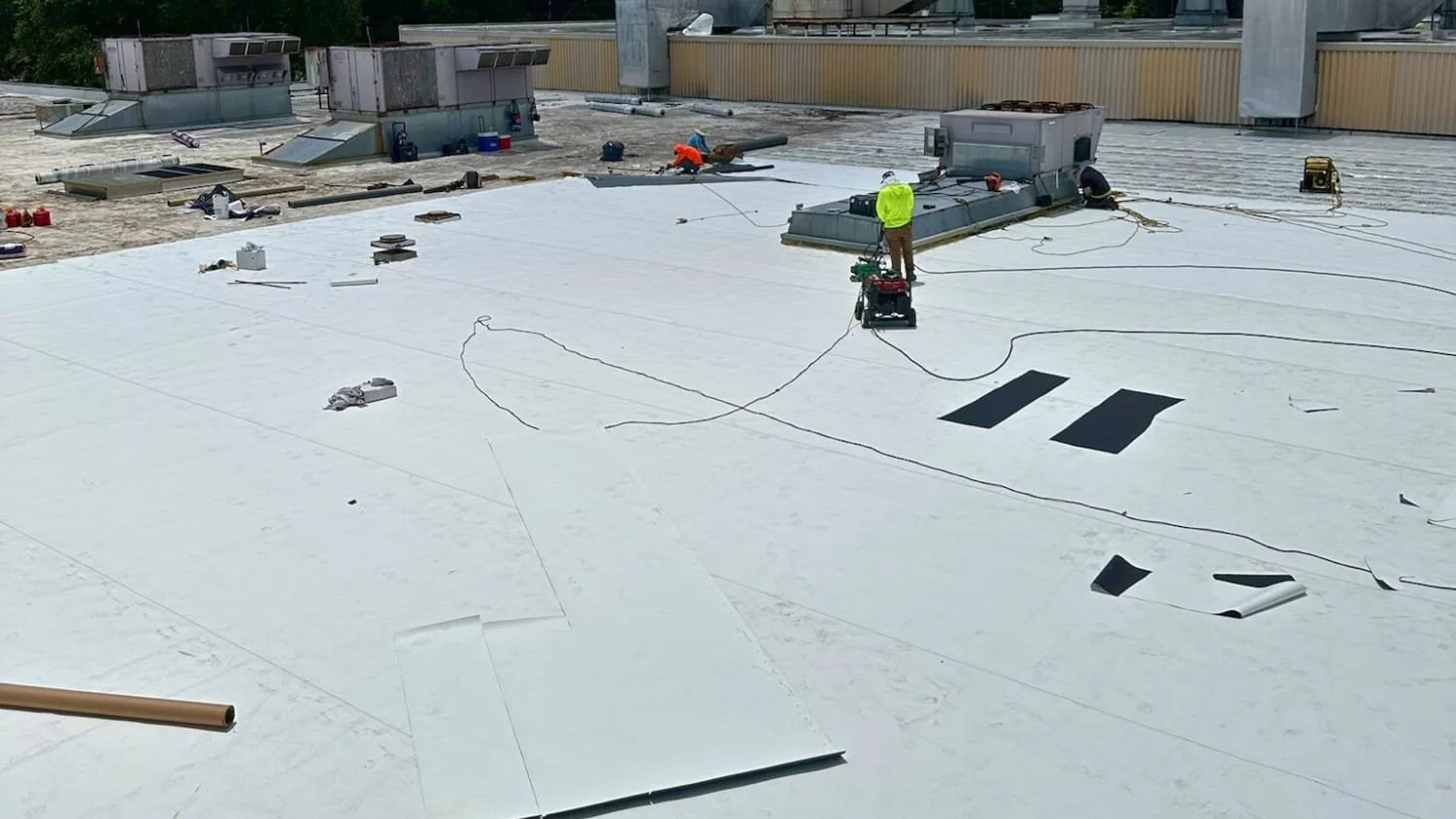
HVAC penetration coordination is the technical complexity that most often separates experienced healthcare roofing contractors from general commercial roofers in the Akron market. Large hospital rooftops are covered with HVAC equipment—air handling unit curbs, exhaust fans, medical gas equipment rooms, emergency generator exhaust stacks, and precision cooling systems for imaging suites. Each of these represents a potential infiltration pathway when disturbed during roofing work. The contractor's roofing foreman must be briefed by the healthcare facility's facilities manager on the exact air handling zones that each rooftop unit serves before any work begins near that equipment. Units serving operating rooms, intensive care units, or sterile procedure areas require the most stringent protection protocols.
Medical gas penetrations at the roof level—vacuum inlets, oxygen system vents, and medical air intakes—require coordination with the facility's medical gas system inspector before any work is done in their vicinity. Disturbing the flashing around a medical gas penetration without proper coordination can interrupt service to patient care areas without warning, a scenario that healthcare facilities management staff and hospital risk managers treat as a serious safety incident. The roofing contractor must identify every medical gas penetration on the pre-construction roof plan and confirm the coordination protocol for each with the facility's plant operations staff before tear-off begins in adjacent areas.
Emergency access maintenance throughout the construction period is a non-negotiable requirement for any Akron hospital roofing project. Helicopter landing pads, emergency equipment staging areas, and the rooftop access points used by facility maintenance staff for equipment emergencies must remain unobstructed at all times. Dumpsters, material pallets, and staging equipment placed in ways that would restrict emergency response access are not acceptable at any stage of a hospital roofing project, regardless of how convenient they might be for the contractor's workflow. The contractor must submit a site logistics plan that maps all staging and material placement against a facility-provided map of restricted access zones, and this plan must be reviewed and approved by the hospital's security and facilities management teams before mobilization.
Noise and vibration management is a significant operational concern for Akron healthcare facilities, particularly for patient care areas that are directly below active roofing work. Standard commercial roofing tear-off using pneumatic chippers or jackhammers produces impact vibration that is perceptible in patient rooms below and measurable in sensitive diagnostic imaging equipment. Akron hospitals have worked with experienced healthcare roofing contractors to develop noise and vibration management approaches that include limiting heavy equipment operation to afternoon hours when fewer patients are undergoing procedures, prohibiting pneumatic impact tools above ICU, cardiac care, and imaging areas during specified quiet windows, and using hand tools for membrane removal in the most sensitive zones.
Joint Commission accreditation standards for hospital facilities impose specific requirements for construction and renovation activities that roofing contractors must understand before bidding on a project at a Joint Commission-accredited facility. The Environment of Care standards require that construction activities be assessed for their potential impact on life safety systems—including roof drain systems that connect to interior fire suppression, smoke control, and life safety systems—and that any temporary interruptions to these systems be addressed through a specific Interim Life Safety Measure (ILSM) documented and approved by the hospital's safety officer. A roofing contractor who is unfamiliar with Joint Commission ILSM requirements is not qualified to work on accredited healthcare facilities in Akron.
Akron's climate creates specific challenges for healthcare roofing project execution that compound the operational constraints of the healthcare environment. Northeast Ohio's freeze-thaw cycles and significant annual precipitation mean that open-deck conditions cannot be tolerated at hospital buildings where any water infiltration creates both infection control risk and potential damage to sensitive medical equipment and infrastructure. The contractor must maintain daily weather monitoring with a five-day outlook and must have a staged tarping and emergency waterproofing protocol that can be deployed within one hour of a weather change. Daily tear-off scope must be limited to areas that can be fully dried-in before the end of each work day, regardless of what larger daily production targets might be suggested by the overall project schedule.
Roofing project management at Summa Akron City Hospital or any other Summit County healthcare facility must be led by a project superintendent with documented experience on healthcare projects in Ohio—not just general commercial roofing experience. The best proxy for this experience is a portfolio of completed projects at Joint Commission-accredited facilities in Northeast Ohio, with references from the facility's infection control coordinator and plant operations manager rather than only from the facilities director or procurement office. The infection control coordinator's perspective on how the contractor managed ICRA compliance throughout the project is the most operationally revealing reference a healthcare organization can request.
- What is the ICRA process and why is it required for hospital roofing in Akron?
- The Infection Control Risk Assessment is required by the Joint Commission before any construction or renovation activity near patient care areas. It identifies pathways by which roofing activities could introduce pathogens into patient environments and establishes the controls required to prevent this. ICRA must be completed with the hospital's infection control nursing staff and facilities management before roofing work begins—not after mobilization when deficiencies are discovered.
- How do we coordinate around medical gas penetrations during a roof replacement?
- Every medical gas penetration must be identified on the pre-construction roof plan and the coordination protocol for each confirmed with the facility's plant operations staff before tear-off begins in adjacent areas. Work near medical gas intakes or vents requires a facility representative on the roof or in immediate radio contact throughout the operation. Any interruption of medical gas service requires advance notification to clinical nursing staff per the hospital's medical gas management plan.
- What noise restrictions apply during hospital roofing work in Akron?
- Restrictions vary by facility and by the patient care functions directly below the work area. At a minimum, pneumatic impact tools above ICU, cardiac care, and surgical areas should be prohibited during specified quiet windows that are established in the pre-construction coordination meeting with facilities management. Confirm specific restrictions in writing before submitting the project schedule, as they directly affect daily production assumptions.
- What Joint Commission compliance requirements apply to roofing contractors?
- Joint Commission Environment of Care standards require Interim Life Safety Measures (ILSMs) to be documented and approved by the hospital safety officer for any construction activity that temporarily affects life safety systems, including roof drain systems connected to interior fire suppression or smoke control systems. Roofing contractors working on Joint Commission-accredited facilities must understand ILSM requirements before mobilizing.
- How should we structure emergency access protection during a hospital roof replacement?
- The contractor must submit a site logistics plan mapping all staging and material placement against a facility-provided map of restricted access zones before mobilization. Helicopter landing areas, emergency equipment staging zones, and rooftop access points for plant operations staff must remain clear at all times. The plan must be approved by the hospital's security and facilities management teams before any equipment is placed on site.