
Office Building Roofing in Akron, OH for Akron commercial properties
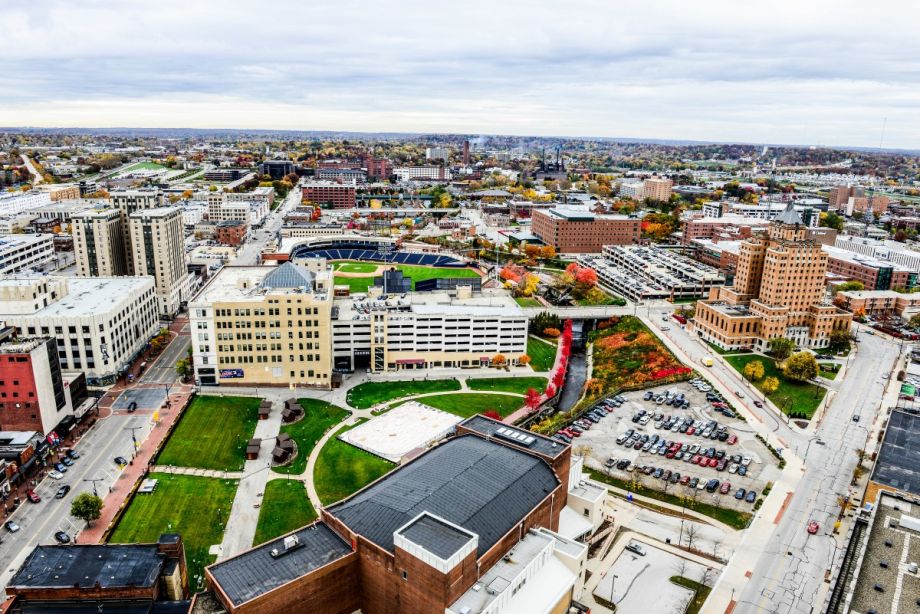
FirstEnergy's corporate headquarters campus in downtown Akron — a prominent Class A office complex that anchors the city's central business district — exemplifies the unique roofing challenges facing multi-story occupied office buildings in Summit County. Unlike vacant or lightly occupied industrial buildings, Class A office towers and corporate campuses require roofing work to be planned and executed with the continuous operation of hundreds or thousands of employees as a non-negotiable constraint.
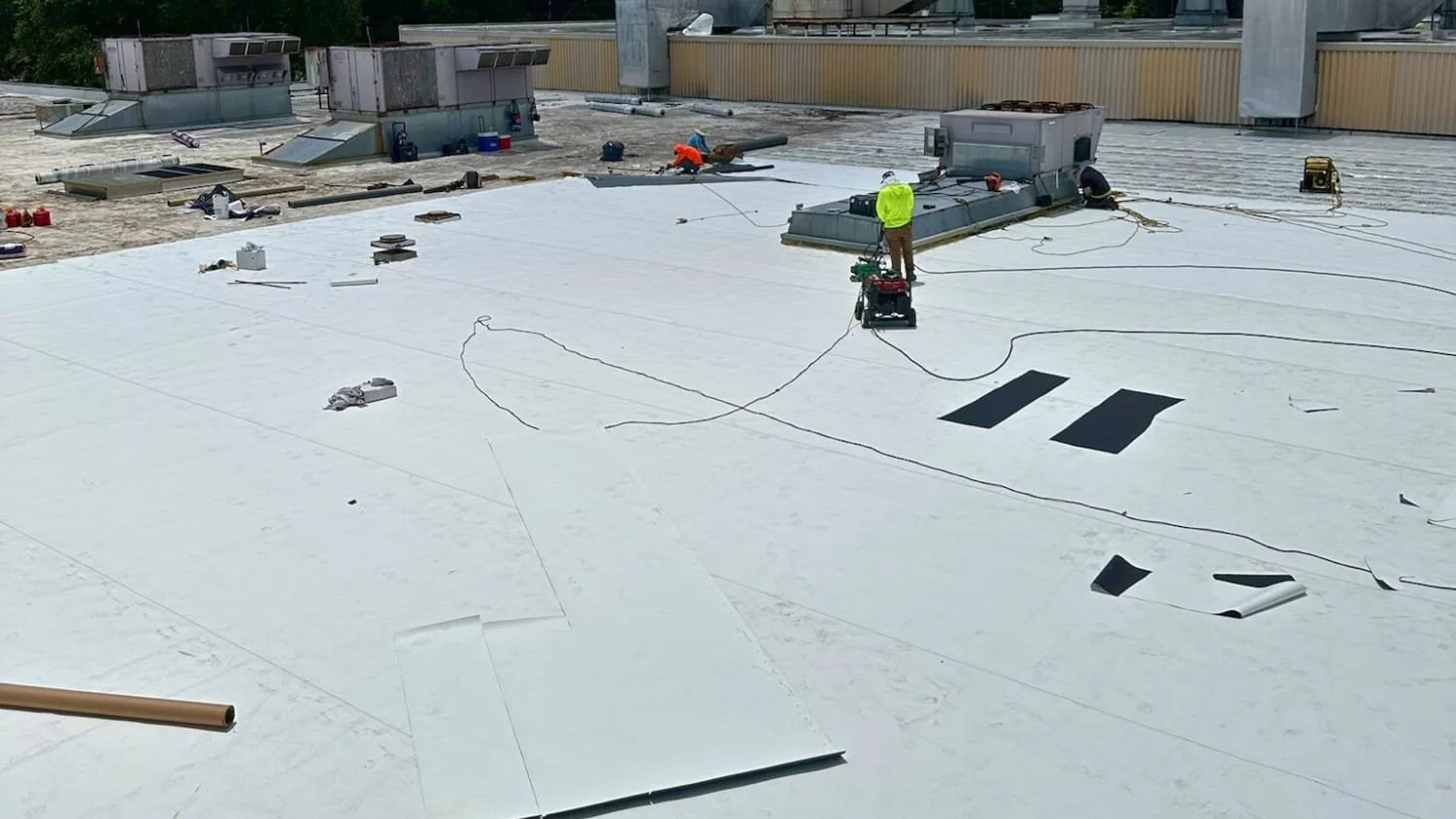
Occupied-building protocols for Akron office roofing projects begin with tenant communication plans developed before a single tool arrives on site. Property managers at downtown Akron office buildings coordinate with floor occupants to establish access windows, staging areas that don't interfere with employee entry and exit, and noise restriction schedules that respect meeting-intensive floors or executive office areas. Crane placement for material hoisting must be coordinated with parking management, and debris containment plans must protect building entrants and adjacent pedestrians from falling materials during the tear-off and installation sequence.
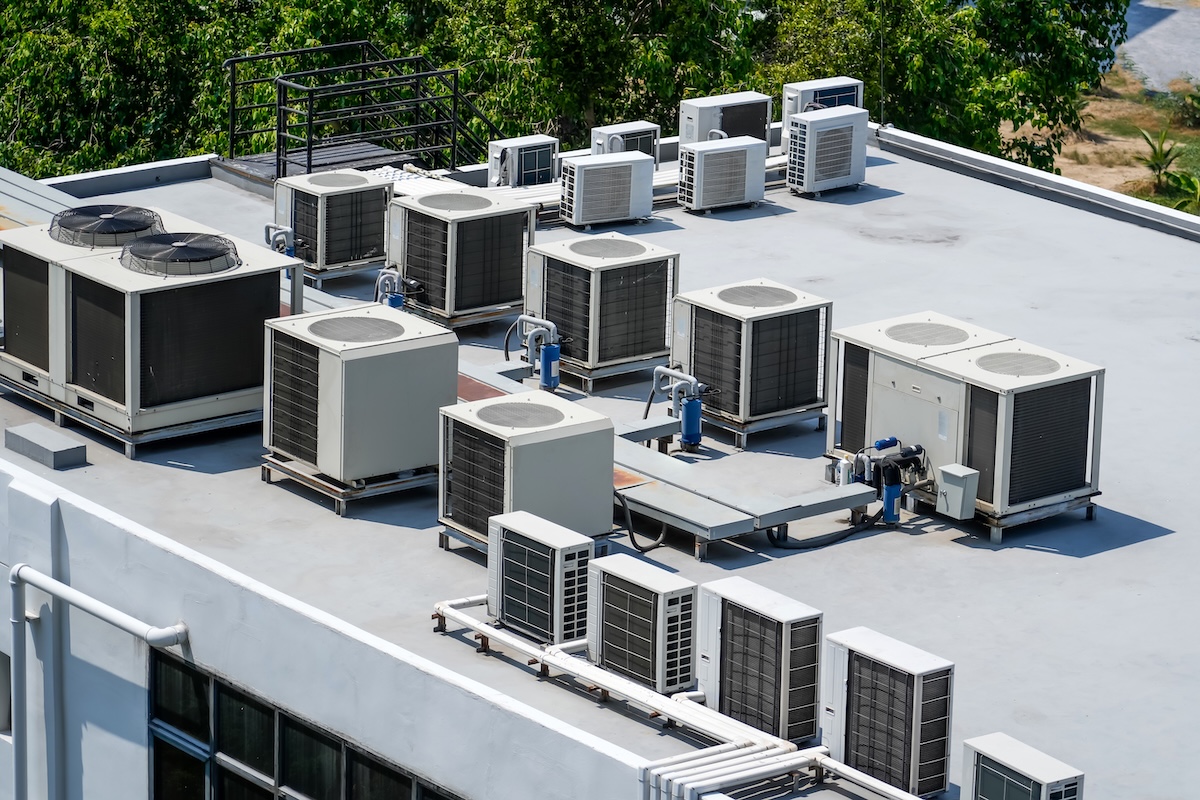
Multi-RTU HVAC coordination is a defining complexity of Office Building Roofing in Akron, OH that distinguishes it from warehouse or retail work. A mid-size Akron office building might have 20 to 40 rooftop HVAC units serving individual floor zones, and the electrical disconnects, refrigerant line sets, condensate drain lines, and control wiring associated with each unit create a rooftop infrastructure that must be temporarily disconnected, worked around, or relocated during roofing replacement. Commercial roofing contractors in the Akron market who specialize in occupied office buildings develop detailed equipment cut sheets and coordinate with HVAC contractors to sequence disconnections and reconnections without extended equipment downtime that would require tenant notification.
Aesthetics matter significantly in downtown Akron's office market in ways they don't for industrial buildings. Building owners competing for Class A tenants invest in green roof systems, rooftop terrace improvements, and architectural parapet treatments that contribute to the building's visual quality and amenity profile. Vegetative roof systems — either intensive or extensive — have been installed on several Akron downtown office properties as both aesthetic amenity and stormwater management strategy. These systems add structural loading considerations and require specialized waterproofing assemblies beneath the growing medium and drainage layer.
Summit County's four-season climate creates specific challenges for office building roof assemblies that differ from industrial applications. The combination of winter snow and ice, summer thunderstorm rainfall, and the temperature cycling between Akron's January lows near 15°F and July highs near 85°F drives thermal movement in the expansion-joint-dependent systems common on multi-bay office buildings. Expansion joint covers on Akron office buildings must accommodate 3 to 4 inches of seasonal movement while maintaining watertight conditions and meeting the aesthetic standards appropriate for an occupied Class A property.
Ohio's commercial energy code references ASHRAE 90.1, and Summit County falls in Climate Zone 5A, requiring minimum R-25 insulation for low-slope commercial roofs. For Akron's Class A office buildings — which may have inhabited space immediately below the roof deck, including executive floors and penthouse conference facilities — the roofing assembly's thermal performance directly affects occupant comfort as well as energy cost. Above-code insulation specifications of R-30 or higher are common for premium Akron office buildings where the developer or owner values occupant comfort and energy performance as part of the building's brand positioning.
Lease renewal protection is a business driver for Office Building Roofing in Akron, OH decisions that has no analog in industrial real estate. When a major Akron tenant faces lease expiration, the building's overall condition — including documented roof maintenance and remaining warranty life — factors significantly into the tenant's renewal decision. A building owner who defers roof maintenance through a critical 3-to-5-year period leading up to a major tenant's expiration risks both the lease and the cost of emergency replacement on a compressed timeline. Proactive re-roofing with a new 20-year warranty several years before a major lease expiration is a recognized risk management strategy among Akron commercial property managers.
Urban heat island effects in downtown Akron create a specific case for cool and reflective roof membranes on office buildings. Dense urban development with dark pavement, dark roofs, and limited vegetation can raise ambient temperatures by 5 to 10°F above surrounding suburban areas, increasing cooling loads and peak electricity demand. White TPO or modified bitumen with reflective granule surfaces reduces heat absorption and mitigates the building's contribution to the urban heat island while also reducing the mechanical cooling load on the building's HVAC equipment — a dual benefit that resonates with the ESG reporting frameworks adopted by many major Akron corporate tenants.
Preventive maintenance for Akron Office Building Roofing in Akron, OH is both a financial obligation and a tenant relations tool. Semi-annual inspections — typically in spring and fall — include cleaning RTU platforms of debris, clearing drain strainers, inspecting flashings at pipe penetrations and equipment curbs, and documenting any developing membrane issues before they become interior leaks. In an occupied Class A office building, a roof leak that stains a ceiling tile in a law firm's reception area or causes a conference room shutdown creates tenant relations consequences that go well beyond the cost of the repair itself.
- How are occupied-building protocols managed for office roofing projects in Akron?
- Projects begin with tenant communication plans coordinated with property management before any work starts on site. Crane placement, staging areas, and noise restriction schedules are developed collaboratively with building management to avoid disrupting tenant operations, meetings, and employee access during the roofing work sequence.
- How many HVAC units does a typical Akron office building have, and how does re-roofing affect them?
- Mid-size Akron office buildings typically have 20 to 40 rooftop RTUs serving individual floor zones. Re-roofing requires coordinating electrical disconnections, refrigerant handling, and control wiring with HVAC contractors to sequence around the units without extended downtime that would require tenant notification and temporary climate management arrangements.
- Are green roofs practical for Akron office buildings?
- Yes — extensive and intensive vegetative roof systems have been installed on several downtown Akron office properties. They require structural loading analysis, specialized waterproofing assemblies, and ongoing maintenance programs, but provide both amenity value for Class A tenants and stormwater management benefits under Summit County's stormwater regulations.
- What R-value is required for office building roofs in Akron?
- ASHRAE 90.1 under Ohio's commercial code requires R-25 minimum for Climate Zone 5A. Premium Akron office buildings typically specify R-30 or higher, particularly where occupied penthouse or executive spaces are directly below the roof deck, because occupant thermal comfort is a tenant amenity concern as well as an energy compliance issue.
- Why does roof condition affect tenant lease renewals at Akron office buildings?
- Tenants evaluating lease renewal assess the building's overall condition, and a roof with deferred maintenance, active leaks, or a warranty nearing expiration creates legitimate concern about future disruptions. Proactive re-roofing with a new 20-year warranty several years before major lease expirations is a recognized property management strategy in Akron's competitive office market.