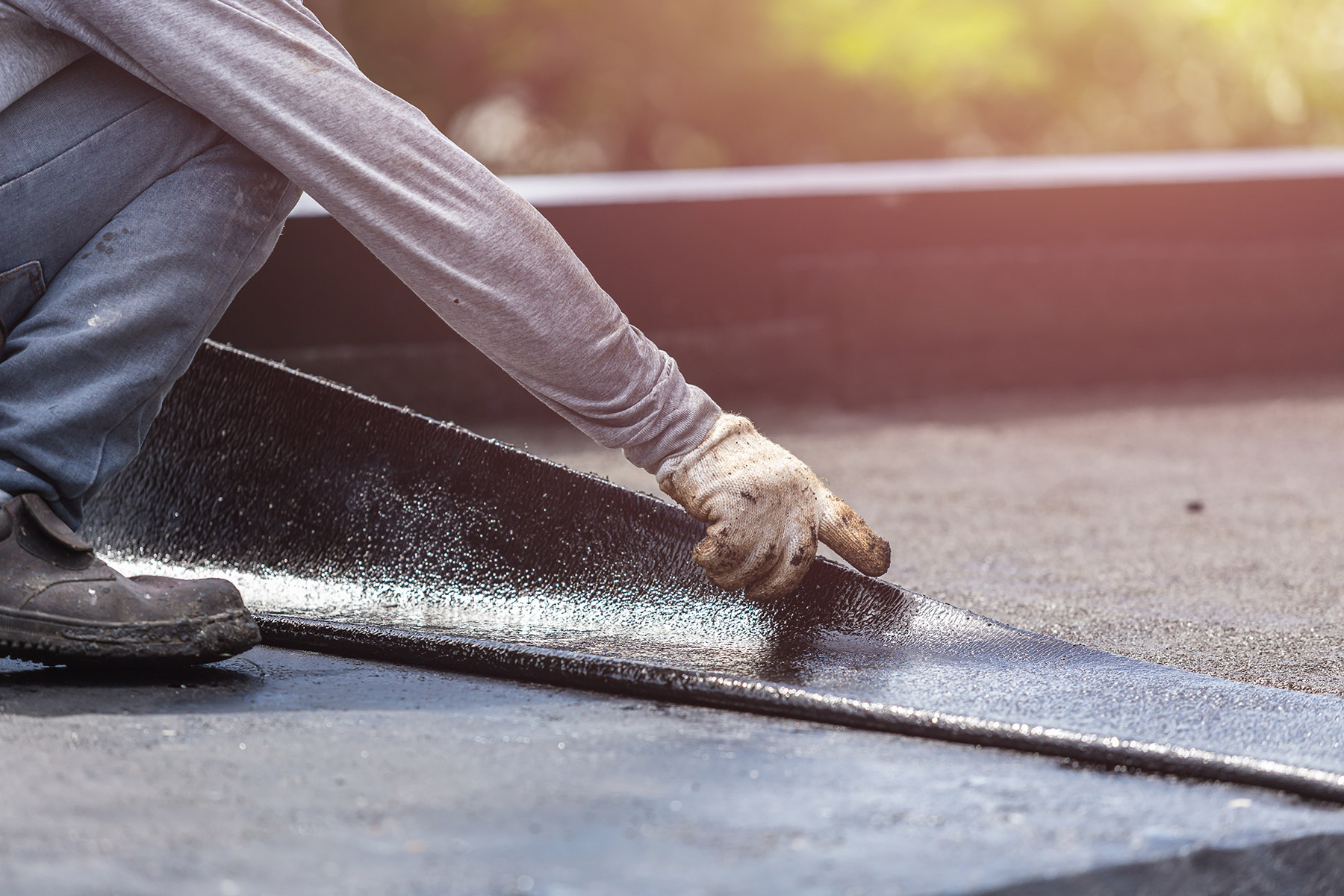
Commercial Metal R-Panel Roofing in Akron, OH for Akron commercial properties
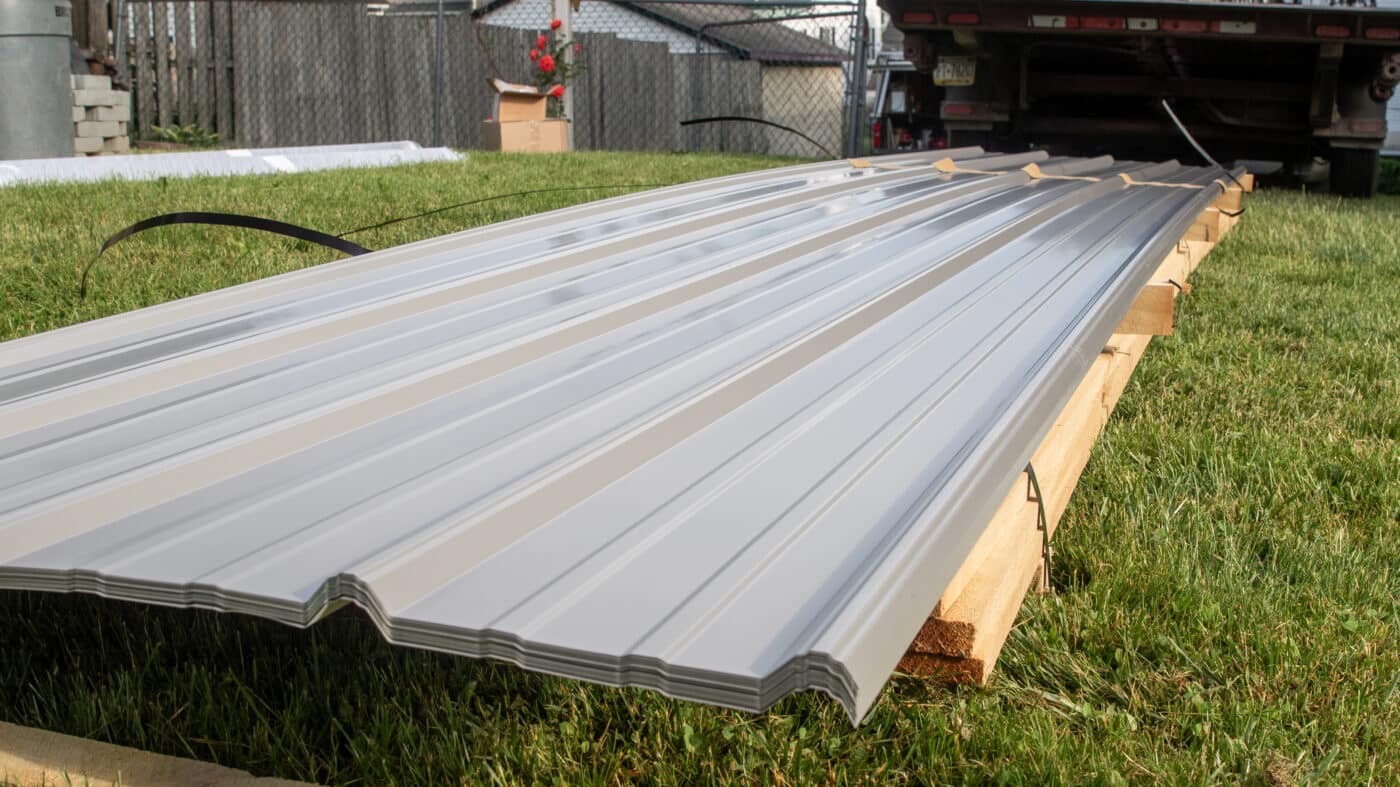
Exposed-fastener metal roofing — R-panel, PBR-panel, and similar trapezoidal profiles — is the dominant specification on Port Green Industrial Park buildings, CAK airport-area distribution centers, and the wide-bay warehouse and flex industrial construction that fills the I-77 corridor south of Akron. These buildings were made for cost efficiency and functional performance: large column-free spans, rapid construction timelines, and a roofing system that can be installed quickly by metal building erectors. R-panel delivers on all of those criteria at installation, but its long-term performance in northeast Ohio's climate creates maintenance obligations that many building owners discover only when the problems become expensive.
Fastener backout is the defining long-term performance challenge for exposed-fastener metal roofing in Akron's freeze-thaw climate. The mechanism is straightforward: each thermal cycle — and Akron's climate produces hundreds of significant cycles annually — moves the metal panel through a small but measurable expansion-contraction cycle. Over time, this cyclic movement works the self-drilling screws that secure the panels to the structural purlins in a ratcheting loosening pattern. A fastener that was fully seated in 2010 may be backed out 1/8 inch by 2025, and even that small gap compromises the neoprene washer seal that is the only waterproofing element at the fastener location. In a 100,000-square-foot R-panel roof, there may be 50,000 or more fastener locations, each subject to this mechanism, each a potential leak initiation point.
Northeast Ohio's corrosion timeline for metal roofing materials is accelerated compared to interior or southern markets. The combination of freeze-thaw moisture cycling, acid rain deposition from regional industrial sources, and the salt spray migration from highway salting operations in winter creates an oxidation environment that shortens the service life of galvanized and G90 steel panels. Galvalume (aluminum-zinc alloy coated) steel performs better in Akron's corrosion environment than standard galvanized, and we specify Galvalume as the minimum panel material for any new R-panel installation or panel replacement project in Summit County. Buildings with existing galvanized R-panel approaching 20 years of service in the Akron environment should have a panel condition assessment that specifically evaluates corrosion progression at laps, fastener points, and any areas of paint failure where bare metal is exposed.
Lap sealant — the butyl or foam closure material that seals the overlapping joints between R-panel courses — is the second critical maintenance target for aging R-panel systems. Like fastener washers, lap sealant degrades through the thermal cycling and UV exposure it experiences over a typical 20-year service life. Dried, cracked, or compressed lap sealant allows wind-driven rain to penetrate between panel laps at multiple locations across a large roof. The evidence of this failure mode is interior rust staining at the purlin locations below the laps — a pattern that can develop gradually for years before the building owner identifies its source as the roof rather than interior moisture. Panel lap reseal, combined with fastener replacement and washer reseating, is the standard R-panel maintenance scope for buildings approaching the 15-20 year mark.
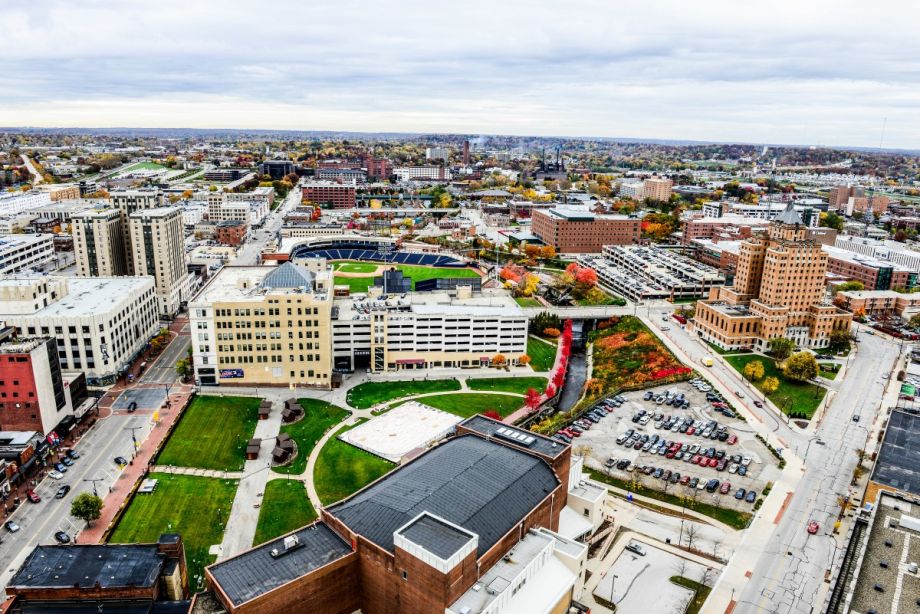
Port Green Industrial Park represents a concentration of R-panel and metal building systems in various states of maintenance. The park's buildings were constructed over several decades, meaning some carry relatively new metal roofing while others have systems at or past their design life that have been maintained with progressive repairs rather than replacement. We have assessed buildings throughout the park and are familiar with the specific building types, construction details, and failure patterns that characterize this inventory. The combination of outdoor storage areas adjacent to buildings, high fork truck traffic on the interior that vibrates structural systems and fasteners, and the industrial process environments of some tenants creates a roofing performance environment that is more demanding than a simple distribution center.
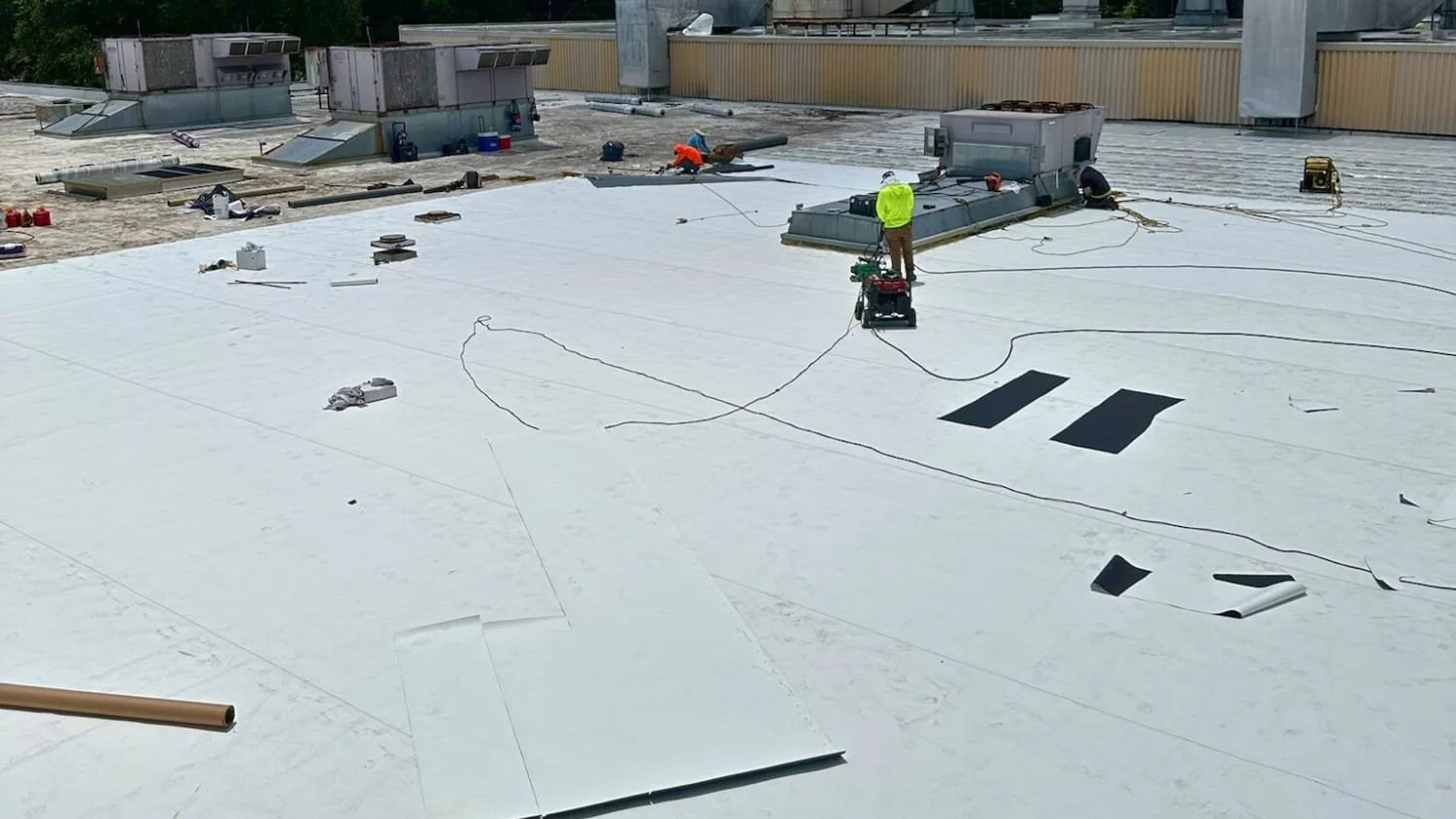
Metal R-panel re-roofing — installing a new R-panel system over an existing deteriorated one — is a technically and structurally constrained option that is feasible in some cases and inadvisable in others. When the existing structural system has adequate capacity to carry additional dead load, and when the existing panel's condition allows it to serve as a substrate for new hat-channel and panel installation, a metal-over-metal recover avoids the cost of tear-off disposal and provides a fully new exterior surface. The analysis requires structural engineering input on the specific building — we do not recommend metal-over-metal re-roofing without structural confirmation of the existing system's capacity. An alternative that is increasingly popular for aging R-panel on commercial buildings is a retrofit standing-seam system that clips over the existing R-panel ribs without penetrating them, converting an exposed-fastener system to a concealed-fastener assembly.
Thermal and vapor management is an underappreciated aspect of R-panel roofing in cold climates. Many R-panel buildings in Akron were originally built without continuous insulation between the metal roof and the occupied space — relying on batt insulation between structural members or on no insulation at all for unheated storage. In Akron's climate, an uninsulated or minimally insulated metal building interior experiences severe condensation on cold metal surfaces during winter, which accelerates interior corrosion, damages stored goods, and creates slip hazards. Retrofitting adequate insulation to the interior of an existing R-panel building — either by installing rigid insulation on the interior of the purlins or by installing a spray foam layer on the interior metal surface — is one of the highest-value improvements for older Akron industrial buildings, both for energy performance and for moisture management.
The CAK airport commercial corridor sees specific R-panel performance pressure from aviation-adjacent operations: fuel handling, de-icing chemical overspray, and the mechanical vibration environment near active flight operations. De-icing chemicals are corrosive to metal panels and fasteners, and buildings within the airport zone should have their R-panel systems assessed annually rather than on the standard biennial schedule. We carry familiarity with the CAK operational environment and coordinate rooftop access with airport authority requirements for all work within the controlled zone.
Questions Owners Ask
How long does R-panel roofing last in Akron's climate?
A properly installed R-panel system with Galvalume panels and adequate maintenance typically lasts 25–35 years in northeast Ohio's climate. Systems with standard galvanized panels in corrosive environments — chemical exposure, high salt load from highway proximity, or industrial emissions — may show significant corrosion at 15–20 years. The largest single factor in R-panel longevity is fastener and sealant maintenance: a building that receives fastener inspection and lap seal replacement at the 15-year mark will significantly outlast an identical building that does not.
Can R-panel roofing be repaired, or does failure mean full replacement?
Most R-panel failure conditions are repairable rather than requiring full replacement. Panel replacements for isolated corrosion or mechanical damage, fastener replacement programs for backout issues, lap seal replacement, and ridge cap and transition flashing replacement all address specific failure modes without requiring complete reroofing. Full replacement is warranted when corrosion is widespread, when structural members have been compromised by long-term moisture exposure, or when the building is being re-purposed with higher moisture sensitivity requirements than the original use.
What is the difference between R-panel and standing-seam metal roofing?
R-panel (exposed fastener) is secured through the panel face with self-drilling screws — the fastener is visible and the neoprene washer at each fastener is the only water control at that point. Standing-seam (concealed fastener) is secured through a clip that hides beneath the panel seam — no fasteners penetrate the panel face, and water control relies on the seam geometry rather than fastener washers. Standing-seam is more expensive but significantly more durable for long-term performance, particularly in freeze-thaw climates. R-panel is the specification where initial cost is the primary driver; standing-seam is the specification where total lifecycle cost matters more.
Do I need a permit to repair my R-panel roof in Akron?
Minor repairs — patching isolated panel damage, replacing a few fasteners, resealing laps — typically fall below the permit threshold in most Summit County jurisdictions. Full panel replacement over a significant area or structural modifications require permits. We determine the applicable jurisdiction's requirements (City of Akron, Cuyahoga Falls, Green, etc.) for each project and pull permits when required. Unpermitted commercial roofing work can create complications in property sales and insurance claims.
My R-panel roof has rust streaks down the walls. Is that from the roof?
Rust streaks on exterior walls below an R-panel roof are almost always from either the panel material itself (surface rust from paint failure or galvanized coating degradation) or from the exposed fasteners and lap areas where bare steel contacts water. In either case, the staining is a leading indicator of the corrosion progression that will eventually compromise weathertightness. We recommend an inspection whenever this symptom appears — the staining is cosmetically objectionable but the underlying corrosion that causes it is the real issue to address before it progresses to panel perforation or structural member corrosion.