
Infrared Roof Inspections for Akron commercial properties
A scan starts with the roof area that can cost the owner real downtime, and with the access route to reach it safely. Before a product name or a unit price means much, we read membrane condition, drains, edge metal, curbs, rooftop units, snow exposure, and the occupied space directly under the wet spots the camera is likely to find.
The owner for an infrared inspection is usually an asset manager who needs subsurface findings turned into field records, procurement decisions, storm files, and budget action. We shape the scan around that operating reality, because a roof near Goodyear Heights may only allow short weather windows, while one around Montrose-Ghent can be governed by truck courts, tenant doors, campus access, or retail hours that limit when the roof is cool enough to read.
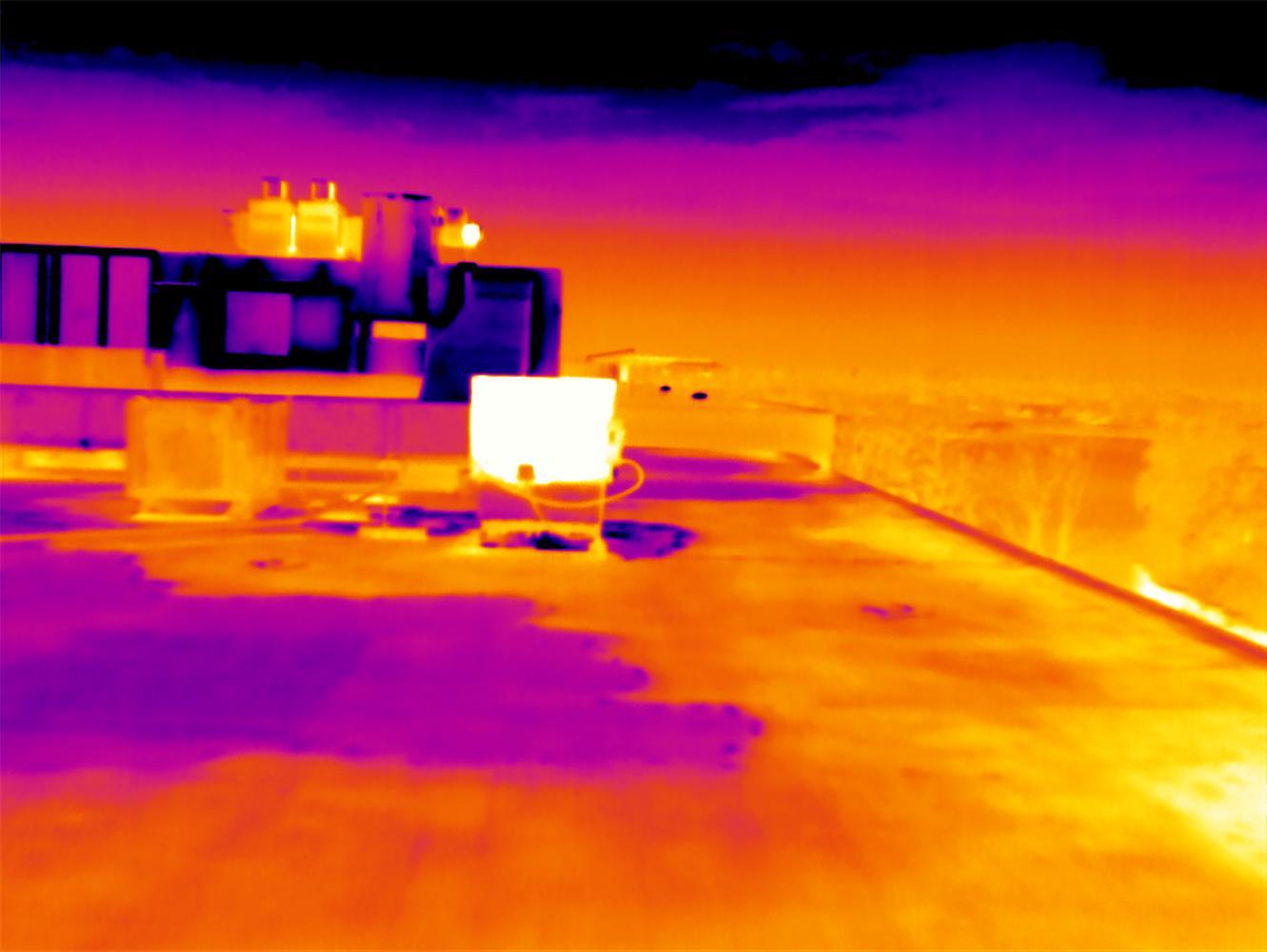
Trapped water is exactly what the camera hunts, and the roughly 41.57 inches of yearly rain and 47.2 inches of snow in the Akron-Canton 1991-2020 normals tell us how much of it to expect. Ice backup, refreeze at drains, and spring downpours leave moisture in the insulation that shows up as thermal contrast; winter snow, hot July surfaces, and wet coping all shift the read. July, near 4.3 inches of precipitation, sets up the evening thermal window around Norton when saturated areas release stored heat.
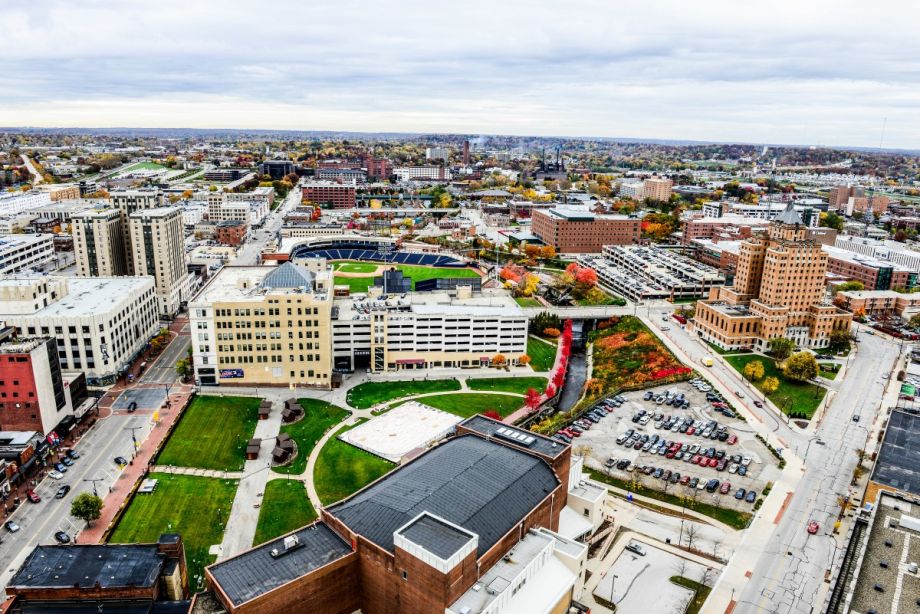
Infrared work does not stay inside one Akron building pattern. Downtown Akron, the Main-Market Historic District, Cascade Plaza, Lock 3, Highland Square, the University of Akron, Bounce Innovation Hub, Summa Health, Akron Children's Hospital, Cleveland Clinic Akron General, Montrose, and the Akron-Canton Airport area each change what the camera sees and where it can fly or walk. Near Mogadore a roof can move from retail and office constraints into medical, campus, and industrial rooftop clutter within a few miles.
Wet insulation rarely announces itself from the surface, and by the time a leak appears the saturation is often widespread. Infrared Roof Inspections read the heat retained by trapped moisture after sunset, mapping the wet areas of membranes on buildings across Akron and Summit County so facility teams can target repairs precisely instead of replacing a roof that is failing in only a few identifiable sections.
Scans still follow the corridors: I-76, I-77, SR-8, I-277, US-224, Arlington Road, and East and West Market Street. Because Akron summers run warm, with July normal mean temperature near 73.9 F, we plan the scan window carefully and anticipate truck access, membrane staging, rooftop equipment, later tenant work, snow removal paths, and delivery routes around the survey.
A thermal image is a starting point, not a verdict, so we walk the roof area and confirm what the camera flags. The first pass logs membrane type, age clues, rooftop equipment, ponding lines, drain strainers, edge metal, wall transitions, pitch pockets, chemical exposure, tenant leak reports, snow drift, and interior ceiling evidence. Once a suspect anomaly is verified with a core cut, and drain capacity turns out to be part of why the deck reads wet, the recommendation tracks the confirmed condition rather than the picture.
The choice among repair, recover, coating, and replacement hinges on how much of a roof is actually wet, and Infrared Roof Inspections make that boundary visible. A dry membrane with an isolated seam failure can be stabilized, while a scan revealing large saturated zones, a compromised deck, or failed drainage points toward the broader budget conversation that surface patching would only mask.
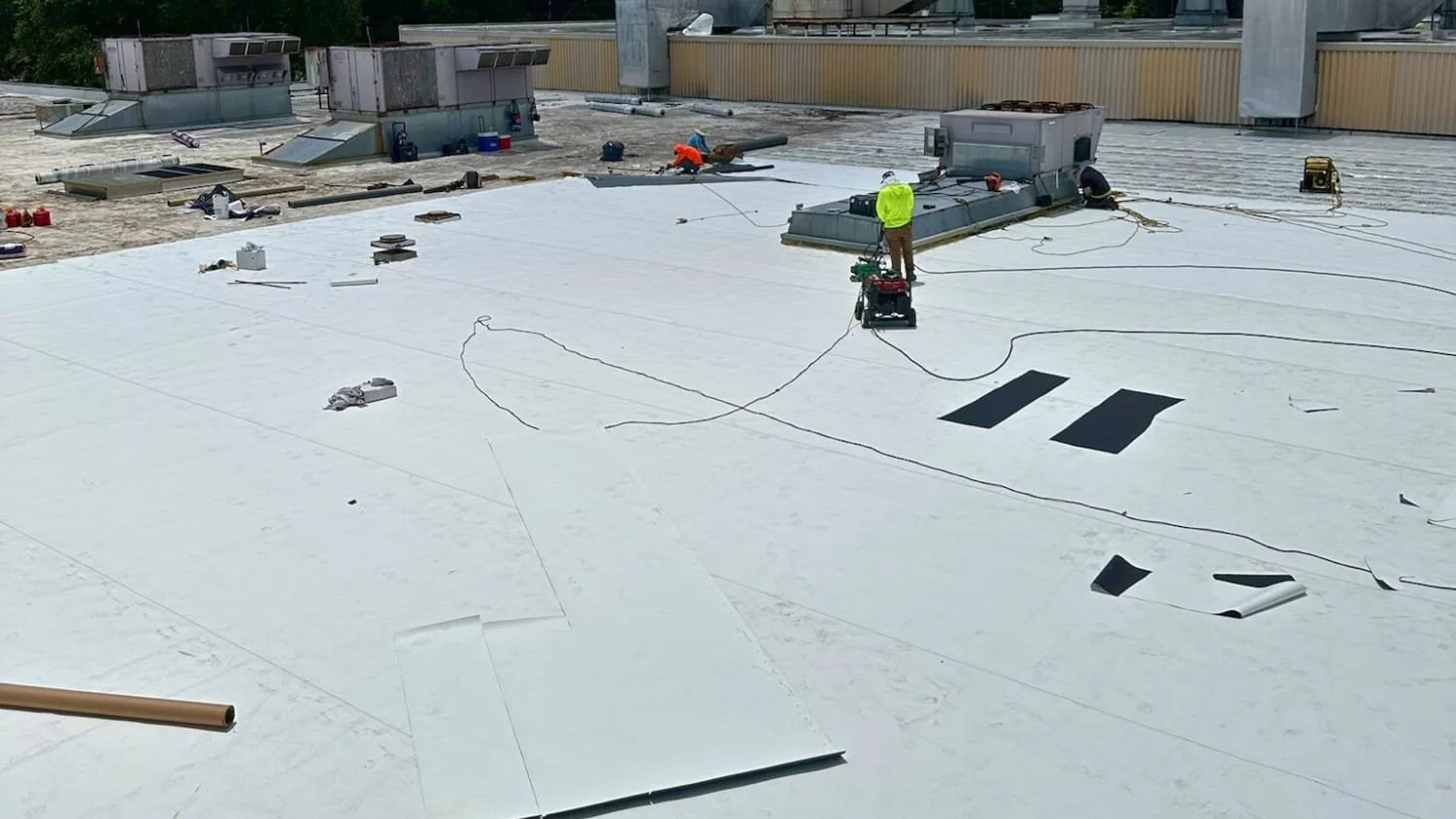
Cost drivers on an infrared job are practical: roof access, fall protection, tear-off of the confirmed wet areas, tapered insulation, drain work, coping, wall flashing, temporary protection, after-hours labor for the thermal window, wind exposure, and snow handling. We mark them so ownership sees why a wet section in the Bowery District is priced differently from a dry one.
Once a scan feeds an insurance file, public spending, tenant relations, campus operations, or capital planning, the paperwork has to hold up. Expect roof-area notes, mapped thermal locations, repair limits, stated exclusions, access constraints, and weather-sensitive details in the package. On claim-related surveys we describe what the scan actually shows, and we do not act as a public adjuster or promise how a carrier will decide.
With wet areas confirmed near Summa Health Akron Campus, timing keeps a small survey from turning into a building problem. Crews keep materials clear of drains, size any opened section to the forecast, and settle close-in before winter precipitation, hail, or heavy rain rolls through. Cut an area open for a repair on the wrong day and it can reach the interior before the next dry window opens.
After the scan, the next useful step is a roof walk that names the confirmed wet areas, active water paths, access limits, and decision points. From there we can price urgent repair, build a maintenance list, or prepare a replacement budget without hiding the assumptions behind the thermal image.
Our added check pairs the scan with old patch records, roof traffic, maintenance logs, warranty paperwork, interior leak history, drain paths, and access notes that change the cost conversation. That record hands the owner a moisture-mapped decision, not a square-foot quote with the important assumptions left out.
Questions Owners Ask
What changes the realistic cost for Infrared Roof Inspections?
Access, moisture in the insulation, deck repair, edge metal, drainage, and occupied-tenant staging shape a roof's real cost more than its membrane type, and a thermal scan is where quantifying the moisture begins. Infrared Roof Inspections document the wet areas so those conditions can be confirmed on the deck before any unit price is treated as reliable.
Can Infrared Roof Inspections be done while the building stays open?
Often, but the scan has to be timed with care, since infrared reads best after the deck warms and cools. We weigh roof access, loading doors, noise, odor, weather windows, and safety zones before setting daytime, phased, or off-hours work.
How do we decide between repair, recover, coating, and replacement for Infrared Roof Inspections?
During a thermal walk we tie moisture readings to deck condition, attachment, slope, seam condition, drain performance, winter exposure, and edge-metal risk. If the assembly near Summit County capital planning is dry and stable, preservation may stay on the table. If the imaging flags spreading moisture, replacement planning is more defensible.
What documentation is included after a Infrared Roof Inspections inspection?
An infrared inspection typically returns roof-area notes, keyed thermal-image locations, leak or damage observations, priority levels, repair limits, access constraints, and budget categories. After a storm those images become contractor-side evidence, without promises about claim outcomes.
How quickly can you look at Infrared Roof Inspections after a winter storm or hail event?
How fast a scan turns into scheduled work depends on access, weather, crew load, and whether water is already entering occupied space. We prioritize roofs with active leaks, then use the thermal map to separate the temporary dry-in from the permanent, moisture-driven repairs that follow.