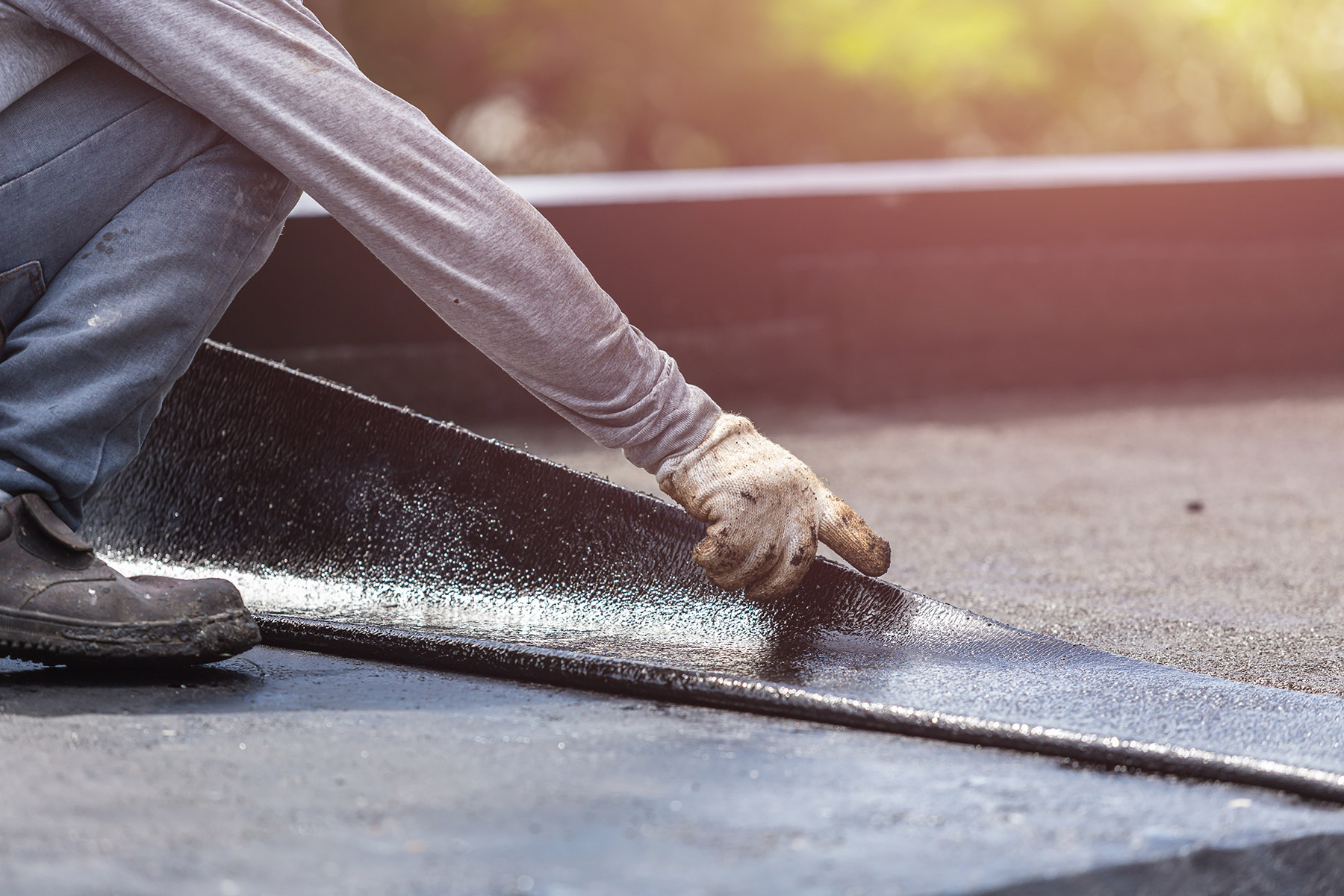
Parking Structure & Deck Waterproofing for Akron commercial properties
The documentation trail for parking structure waterproofing in Akron serves two distinct purposes: it protects the property owner's warranty position, and it establishes a baseline for structural condition that becomes critical when the next owner, lender, or insurance carrier asks what the deck's corrosion status was at the time of last waterproofing. A parking structure with documented core sample results, a concrete repair log, and a signed-off membrane installation report is a materially different asset than one with a receipt and no documentation. We produce the full documentation package on every parking deck project.
Warranty terms for traffic-bearing parking deck systems in Akron range from 5 to 15 years depending on the system, application conditions, and inspection program. NDL warranty coverage — where the manufacturer covers full repair or replacement cost without a cap — requires manufacturer-certified applicator installation, field representative inspections at defined stages, and annual inspection documentation. A parking deck warranty that isn't backed by manufacturer certification and annual inspection is a limited warranty by another name. We hold manufacturer certification for the traffic-bearing systems we install and register warranties with inspection schedules as part of closeout.
Insurance documentation for parking structure waterproofing projects in Akron follows the same pattern as commercial roofing: GL limits, additional insured endorsements, performance bond for projects above threshold values. But parking deck projects have a specific additional documentation requirement: the concrete repair scope and structural assessment results need to be documented clearly enough that the property insurer can confirm the structural condition at the time of the waterproofing installation. If a claim arises from structural failure years later, that documentation establishes whether corrosion was pre-existing or post-waterproofing — a critical distinction for coverage determination.
How we keep Parking Structure & Deck Waterproofing practical
Before pricing Parking Structure & Deck Waterproofing, we confirm the roof areas involved, where water is moving, how crews can access the roof, and which assumptions could change the budget after closer inspection. That keeps the recommendation tied to the building instead of a broad square-foot number.
For Akron commercial properties, we also separate immediate stabilization from long-term planning. Temporary dry-in, targeted repair, maintenance, coating, recover, and replacement can all be valid, but they should not be blended into one vague scope.
Parking Structure & Deck Waterproofing properties need roof work that respects the people and operations below the roof. Entrances, parking, loading, patient areas, tenants, inventory, mechanical systems, and security procedures can all affect the work plan before materials are ordered.
Access is reviewed early because it can change the whole project. Downtown Akron, medical campus buildings, university-area properties, retail centers, warehouses, and industrial facilities each create different rules for staging, lift use, parking, tenant notifications, safety zones, and after-hours work.
Weather is treated as a project constraint, not background information. Snow, freeze-thaw movement, hail, heavy rain, summer storms, and cold-weather close-in affect how much roof can be opened, how materials are stored, and when temporary protection has to be installed before the next work step.
Budget conversations stay more useful when the drivers are named. Wet insulation, deck repair, tapered insulation, drains, scuppers, coping, wall flashing, rooftop equipment, fall protection, material staging, disposal, and occupied-building sequencing can change cost and timing more than the roof label itself.
Field review also has to respect what the roof is connected to. Rooftop units, condensate lines, exhaust fans, grease containment, skylights, tenant penetrations, parapet walls, expansion joints, and older repair patches can all change where water travels and where a permanent repair has to land.
Scheduling is part of the technical scope. A roof plan that ignores loading access, tenant entrances, parking, material deliveries, noise, odor, security, and business hours can look acceptable on paper while creating unnecessary disruption once crews arrive. We keep those constraints visible before the work starts.
The roof record also calls out unknowns, because hidden moisture, concealed deck damage, blocked drains, and undocumented prior repairs can change the correct next step.
The closeout record matters after the work is done. We keep notes, photo locations, access constraints, completed repair areas, and remaining risk items connected to the roof area so owners can use the file for follow-up maintenance, budget planning, tenant communication, procurement review, or the next capital cycle.
Parking Structure Waterproofing — Documentation Questions
What does a parking deck waterproofing closeout package include?
Our standard parking deck closeout package includes: pre-construction concrete assessment report (sounding map, core sample results, chloride content measurements), concrete repair log documenting all areas repaired and repair method used, installation log confirming product batch numbers, application temperatures, film thickness measurements, and cure time compliance, photographic documentation of all joint details and drain conditions, aggregate slip-resistance test results, manufacturer warranty registration confirmation, and a deck zone diagram for the facility's asset management file.
What annual inspection is required to maintain warranty validity?
Most traffic-bearing waterproofing system manufacturers require annual inspection by a certified applicator to maintain full warranty coverage. The inspection documents drain condition, joint seal condition, surface wear and aggregate density, and any evidence of delamination at seams or transitions. We provide the annual inspection and submit a written condition report to both the property owner and the manufacturer's warranty department within 30 days of the inspection.
What is the manufacturer certification requirement for an NDL warranty on a parking deck?
NDL warranty eligibility requires that the installing contractor hold current certification from the manufacturer for the specific product system being installed. Certification levels vary by manufacturer — some require annual re-certification, some require project-specific approval for large projects. We verify our certification status with the manufacturer before submitting the proposal and include the certification documentation in the warranty package at closeout.
How do core sample results affect the repair scope and cost?
Core samples reveal the chloride content in the concrete and the carbonation depth — the two main indicators of rebar corrosion risk. Chloride content above 0.3% by weight of cement in the rebar cover zone indicates active corrosion risk. Carbonation depth approaching the rebar cover indicates pH neutralization that accelerates corrosion. Both conditions require concrete removal and corrosion inhibitor treatment before waterproofing. The repair scope — and its cost — is driven by what the cores reveal, not by visual surface assessment alone.
What insurance does a parking deck waterproofing contractor need?
Standard commercial GL and workers' compensation coverage at minimum. For parking structures with vehicle storage and public access, most owners also require garage keepers' liability coverage for contractor-caused vehicle damage, and umbrella coverage in the $2M-$5M range above the primary GL limits. If the parking structure is in an occupied building with retail or residential tenants below the deck, additional coverage requirements may apply for consequential interior damage from a waterproofing failure during construction. We carry the coverage required for occupied urban parking structures.